Finding enough time to prepare healthy meals during a busy week can feel like a challenge. Between work responsibilities, family commitments, errands, and personal goals, cooking every day is not always realistic. Fortunately, batch cooking offers a practical solution that helps busy adults save time, reduce stress, and enjoy homemade meals throughout the week.
Batch cooking involves preparing larger quantities of food in one cooking session and storing portions for future meals. This simple approach can make weeknight dinners easier while helping households stay organized and avoid the temptation of relying on expensive takeout or highly processed convenience foods. With a little planning, anyone can build a batch cooking routine that fits their schedule and lifestyle.
One of the easiest ways to start batch cooking is by focusing on versatile ingredients. Foods such as rice, quinoa, roasted vegetables, grilled chicken, beans, and pasta can be prepared in advance and used in several different meals. For example, a large batch of roasted vegetables can be added to salads, wraps, grain bowls, or side dishes throughout the week. This flexibility prevents meals from becoming repetitive while reducing daily cooking time.
Soups and stews are among the most popular batch cooking options because they store well and often taste even better after a day or two. A large pot of vegetable soup, lentil stew, or chicken and vegetable soup can provide multiple servings for lunches and dinners. Many soups also freeze successfully, making them an excellent choice for future meal planning. By keeping a few frozen portions on hand, busy adults always have a quick meal available when schedules become hectic.
Casseroles are another convenient option for batch cooking. Dishes such as baked pasta, vegetable casseroles, and rice-based bakes can be prepared ahead of time and portioned into individual containers. These meals are easy to reheat and often require minimal effort during the week. Preparing one or two casseroles over the weekend can significantly reduce the need for weekday cooking.
Breakfast is often overlooked when discussing batch cooking, yet it can be one of the most valuable meals to prepare in advance. Overnight oats, egg muffins, breakfast burritos, and homemade breakfast sandwiches can all be made in larger quantities. Having ready-to-eat breakfast options available can help people start their day with less stress and more consistency. It also reduces the temptation to skip breakfast or purchase less nutritious alternatives on the way to work.
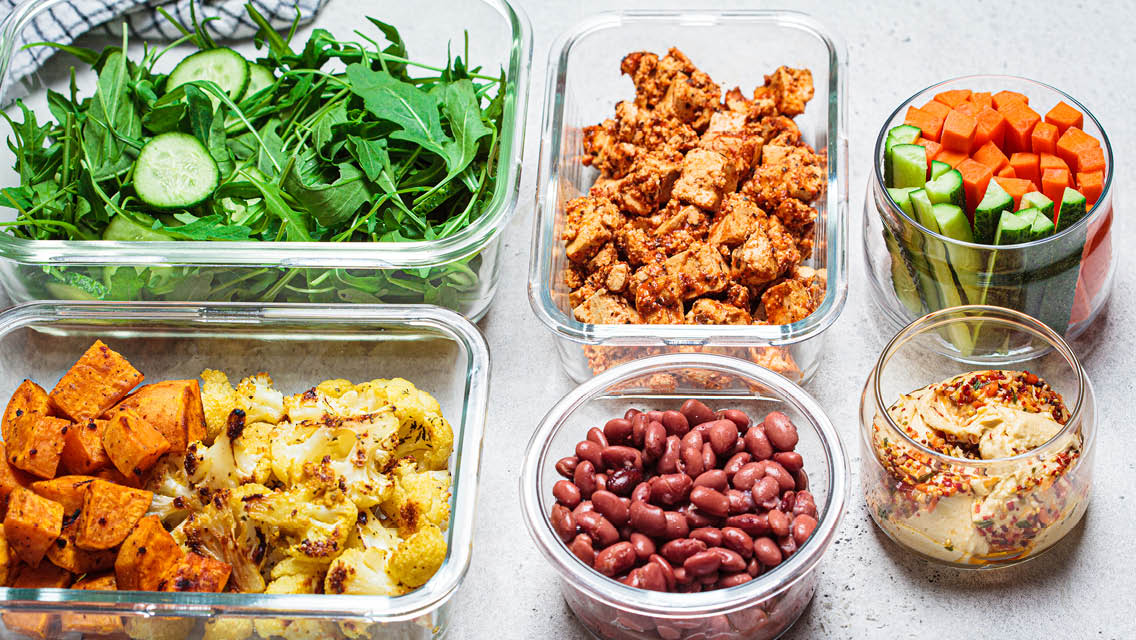
For those who enjoy variety, preparing meal components instead of complete meals can be highly effective. This method involves cooking proteins, grains, and vegetables separately and combining them in different ways throughout the week. Grilled chicken can be used in wraps, salads, and rice bowls. Cooked rice can accompany stir-fries, serve as a base for grain bowls, or be mixed into soups. This approach offers flexibility while maintaining the time-saving benefits of batch cooking.
Slow cookers and pressure cookers can also simplify the batch cooking process. These kitchen tools allow large quantities of food to be prepared with minimal hands-on effort. Slow cookers are ideal for soups, stews, shredded meats, and bean dishes, while pressure cookers can significantly reduce cooking times for ingredients that traditionally require longer preparation. Using these appliances can help busy adults maximize efficiency and reduce time spent in the kitchen.
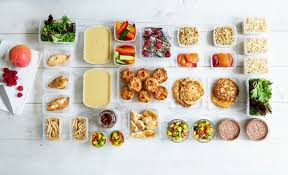
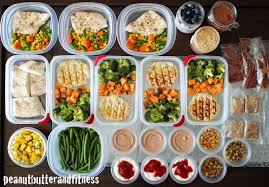
Proper food storage plays an important role in successful batch cooking. Investing in durable food containers can make organization easier and help maintain food quality. Clear containers allow meals to be identified quickly, while labeling containers with preparation dates can help ensure freshness. Refrigerating or freezing portions promptly after cooking helps preserve flavor and texture while supporting food safety practices.
One common concern about batch cooking is the fear of eating the same meal every day. Fortunately, this issue can often be solved through simple seasoning and presentation changes. A batch of cooked chicken can have different flavor profiles depending on the sauces, herbs, or spices used during serving. Likewise, vegetables can be paired with various grains and dressings to create unique meals from similar ingredients. Small adjustments can make meals feel fresh and interesting throughout the week.
Batch cooking can also support financial savings. Purchasing ingredients in larger quantities is often more economical than buying individual meal components daily. Planning meals in advance may reduce food waste because ingredients are used more efficiently. In addition, preparing meals at home can lower spending on restaurant meals and food delivery services. Over time, these savings can become significant.
Another advantage of batch cooking is the reduction of decision fatigue. After a long day, deciding what to cook can feel overwhelming. Having prepared meals or ingredients available eliminates much of that stress. Instead of spending time planning and cooking from scratch each evening, individuals can focus on other priorities while still enjoying balanced meals.
For beginners, it is important to start with realistic expectations. There is no need to prepare every meal for the entire week at once. Even dedicating one or two hours to cooking a few key items can make a noticeable difference. Preparing a large pot of soup, roasting vegetables, or cooking a protein source ahead of time can simplify several meals later in the week. As confidence grows, more recipes and techniques can be added to the routine.
Creating a simple weekly plan can further improve batch cooking success. Choosing recipes before grocery shopping helps ensure all necessary ingredients are available. A plan also helps balance meals and prevents unnecessary purchases. Many people find that selecting a few favorite recipes and rotating them regularly makes meal preparation more manageable.
Ultimately, batch cooking is not about perfection. It is about creating practical systems that make daily life easier. By preparing food in advance, busy adults can spend less time cooking during the week and more time focusing on work, family, hobbies, and personal well-being. Whether preparing complete meals or simply organizing ingredients ahead of time, batch cooking offers a convenient strategy for maintaining a more efficient and enjoyable routine.
With a little planning and consistency, batch cooking can transform mealtime from a daily challenge into a simple and rewarding habit. The result is greater convenience, reduced stress, and more opportunities to enjoy nourishing homemade meals throughout the week.