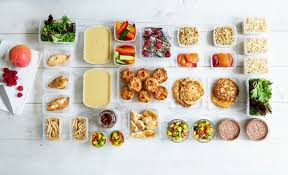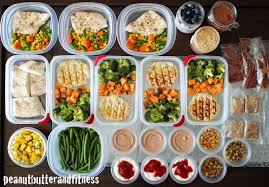
Many middle-aged adults find themselves balancing busy careers, family responsibilities, personal goals, and health concerns all at once. With so many demands competing for attention, preparing meals every day can sometimes feel overwhelming. Fortunately, smart weekly cooking plans can make healthy eating easier, reduce stress, save money, and create a more enjoyable relationship with food.
A thoughtful cooking plan does not require complicated recipes or expensive ingredients. Instead, it focuses on practical strategies that help people prepare satisfying meals with less effort throughout the week. By organizing meals in advance and choosing simple ingredients, middle-aged individuals can enjoy nutritious food without spending excessive time in the kitchen.
One of the greatest advantages of weekly meal planning is the reduction of daily decision-making. Many people experience mental fatigue after a long day of work or household tasks. When dinner has already been planned, there is less pressure to decide what to cook at the last minute. This simple habit can help reduce stress while encouraging healthier eating choices.
A successful weekly cooking plan often begins with selecting a few versatile ingredients. Foods such as chicken, fish, eggs, beans, brown rice, whole-grain pasta, and seasonal vegetables can be used in multiple meals throughout the week. Choosing ingredients that work in different recipes minimizes food waste and simplifies grocery shopping.
For example, roasted vegetables prepared on Sunday can be added to salads, grain bowls, wraps, or side dishes during the week. Similarly, a batch of cooked brown rice can serve as a foundation for several lunches and dinners. This approach allows individuals to spend less time cooking each day while still enjoying variety in their meals.
Breakfast is often overlooked, yet it plays an important role in maintaining energy and focus. Middle-aged adults may benefit from preparing simple breakfast options ahead of time. Overnight oats, yogurt with fruit, whole-grain toast, or boiled eggs can provide convenient and nutritious starts to the day. Preparing breakfast ingredients in advance helps reduce morning stress and supports consistent eating habits.
Lunch planning can be equally valuable. Rather than relying on takeout or processed foods, individuals can prepare simple meals using leftovers from previous dinners. A portion of grilled chicken paired with vegetables and rice can easily become a balanced lunch for the next day. This strategy not only saves time but can also help manage food expenses.
Dinner is often the meal that causes the most concern because it arrives at the end of a busy day. Smart planners focus on creating dinners that require minimal preparation. One-pan meals, slow-cooker recipes, and simple stir-fries are excellent choices. These meals often involve fewer dishes, less cleanup, and shorter cooking times while still delivering flavor and nutrition.
Another useful strategy is assigning general themes to different days of the week. For example, one evening might focus on fish, another on vegetarian dishes, and another on soups or stews. Having a basic structure can simplify planning without making meals feel repetitive. Themes also make grocery shopping more predictable and organized.
Portion awareness becomes increasingly important during middle age. Metabolism often changes over time, making it beneficial to pay attention to meal balance rather than relying on oversized portions. A practical approach is to include a source of lean protein, vegetables, healthy fats, and complex carbohydrates in most meals. This combination can help support steady energy levels and overall wellness.
Hydration should also be included in a healthy weekly routine. While meal planning focuses on food, drinking enough water throughout the day supports many bodily functions. Some individuals find it helpful to keep a reusable water bottle nearby as a reminder to stay hydrated.
One common mistake is attempting to create an overly ambitious meal plan. Plans that require extensive preparation every day are often difficult to maintain. Instead, simplicity should remain the primary goal. Choosing five or six reliable recipes that are easy to prepare can be more effective than experimenting with a large number of complex dishes.
Flexibility is equally important. Unexpected events, social gatherings, or changes in schedule can affect meal plans. A successful cooking routine allows room for adjustments without causing frustration. Keeping a few simple pantry staples available, such as canned beans, whole-grain pasta, frozen vegetables, and canned tuna, provides convenient backup options when plans change.
Cooking can also become a meaningful form of self-care. Rather than viewing meal preparation as another obligation, many people discover that it offers an opportunity to slow down and focus on personal well-being. Preparing nourishing meals can support physical health while creating a sense of accomplishment and routine.
Financial benefits are another significant advantage of weekly cooking plans. Planning meals before shopping reduces impulse purchases and helps households make better use of ingredients already available. Over time, these small savings can become substantial. In addition, home-cooked meals are often more affordable than frequent restaurant visits or food delivery services.
Technology can further simplify meal planning. Many people use digital calendars, grocery list applications, or recipe organizers to keep track of meals and ingredients. These tools can make planning more efficient and reduce the chances of forgetting important items during shopping trips.
For middle-aged adults seeking a healthier lifestyle, consistency is often more valuable than perfection. A simple meal plan followed regularly can deliver better long-term results than an elaborate plan that is difficult to sustain. Small, manageable improvements tend to become lasting habits over time.
Ultimately, smart weekly cooking plans are about creating a system that works with real-life schedules and responsibilities. By focusing on simple ingredients, practical preparation methods, and flexible routines, middle-aged individuals can enjoy nutritious meals with less effort. The result is a more relaxed approach to cooking, improved dietary habits, and greater confidence in maintaining a healthy lifestyle.
As daily responsibilities continue to evolve, having a reliable meal-planning routine can provide stability and convenience. Simple meals do not have to be boring, and healthy eating does not need to be complicated. With thoughtful planning and realistic expectations, anyone can build a sustainable weekly cooking routine that supports both wellness and enjoyment for years to come.