Maintaining healthy eating habits can feel challenging in a busy world. Work responsibilities, family commitments, social activities, and unexpected events often make it difficult to prepare balanced meals every day. Many adults start with good intentions but find themselves relying on convenience foods when schedules become overwhelming. Fortunately, healthy eating does not require strict rules or complicated diets. Simple meal planning practices can make a significant difference and help adults stay consistent with their nutrition goals over time.
Meal planning is the process of deciding in advance what meals and snacks will be eaten during a specific period, such as a few days or an entire week. This approach reduces daily decision-making and helps create a structure that supports healthier food choices. By spending a small amount of time planning ahead, adults can save time, reduce food waste, and build sustainable eating habits.
One of the most effective meal planning practices is keeping plans realistic. Many people create detailed menus that look perfect on paper but are difficult to follow in real life. A better approach is to consider personal schedules, cooking skills, and available time. Planning simple meals that fit naturally into daily routines increases the likelihood of long-term success. Consistency often comes from choosing practical options rather than aiming for perfection.
Another helpful strategy is selecting a planning day each week. Setting aside a regular time to review upcoming commitments can make meal preparation much easier. During this planning session, adults can determine which days require quick meals and which days allow more time for cooking. This awareness helps create a flexible plan that supports healthy eating without adding unnecessary stress.
Creating a grocery list based on planned meals is another valuable habit. Shopping with a list encourages focused purchasing decisions and helps ensure that nutritious ingredients are available when needed. It also reduces the temptation to buy foods that do not align with personal wellness goals. When healthy ingredients are already in the kitchen, preparing balanced meals becomes much more convenient.
Many adults find success by building meals around a simple structure. A balanced plate often includes vegetables, a source of protein, whole grains or other quality carbohydrates, and healthy fats. This framework removes much of the guesswork associated with meal preparation. Rather than searching for new recipes every day, individuals can mix and match familiar ingredients to create satisfying meals.
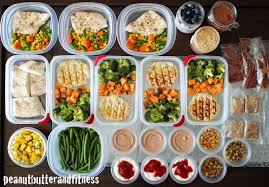
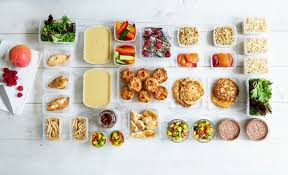
Batch cooking is another practical technique that supports consistency. Preparing larger portions of certain foods can save considerable time during the week. Cooked grains, roasted vegetables, soups, and protein sources can be stored and used in multiple meals. Having ready-to-eat ingredients available reduces the likelihood of skipping meals or choosing less nutritious options when time is limited.
Keeping healthy snacks available can also support long-term eating habits. Busy schedules sometimes create long gaps between meals, leading to excessive hunger and impulsive food choices. Planning nutritious snacks ahead of time helps maintain energy levels throughout the day. Fresh fruit, yogurt, nuts, vegetables, and other wholesome options can be prepared in advance for convenience.
Flexibility is an important part of successful meal planning. Unexpected schedule changes happen to everyone. Instead of viewing deviations from a meal plan as failures, it is helpful to adapt and move forward. Maintaining a flexible mindset allows adults to stay focused on overall progress rather than individual setbacks. Healthy eating is a long-term practice, and occasional adjustments are a normal part of the process.
Repeating favorite meals can simplify planning and reduce decision fatigue. Some people believe they must constantly create new and exciting menus to stay healthy, but this is not necessary. Having a collection of reliable meals makes planning easier and can reduce stress. Familiar recipes often require less preparation time and increase confidence in the kitchen.
Portion awareness can also contribute to consistency. Meal planning provides an opportunity to prepare appropriate serving sizes before hunger influences decisions. Pre-portioned meals and snacks can help create balanced eating patterns while reducing food waste. This approach encourages mindfulness and supports a more organized eating routine.
Using seasonal ingredients is another useful practice. Seasonal produce is often more affordable, widely available, and flavorful. Incorporating these foods into meal plans can add variety throughout the year while supporting balanced nutrition. Exploring different fruits and vegetables based on the season can make healthy eating feel more enjoyable and sustainable.
Hydration should not be overlooked when discussing meal planning. Many adults focus exclusively on food while forgetting the importance of regular fluid intake. Including beverages such as water in daily planning can support overall wellness and complement healthy eating habits. Keeping a reusable water bottle nearby serves as a simple reminder throughout the day.
Technology can also make meal planning easier. Digital calendars, meal-planning applications, and grocery list tools help organize information efficiently. These resources can reduce planning time and simplify shopping. However, even a handwritten notebook can be equally effective. The best system is the one that fits comfortably into an individual’s lifestyle and is easy to maintain.
Family involvement can further strengthen healthy eating routines. When household members participate in meal selection, shopping, or preparation, they often feel more engaged and supportive of shared goals. Collaborative planning can reduce stress for the primary meal preparer while encouraging positive eating habits for everyone involved.
It is also helpful to recognize that healthy eating looks different for each person. Individual preferences, cultural traditions, dietary needs, and personal goals all influence food choices. Effective meal planning respects these differences and focuses on creating a sustainable routine rather than following rigid standards. A personalized approach is often easier to maintain over the long term.
Consistency develops through small actions repeated regularly. Preparing one extra meal at home each week, planning snacks in advance, or creating a simple grocery list may seem minor, but these habits can build a strong foundation over time. Gradual improvements are often more sustainable than dramatic changes that are difficult to maintain.
In conclusion, meal planning is a practical tool that helps adults stay consistent with healthy eating. By keeping plans realistic, preparing ahead, maintaining flexibility, and focusing on simple routines, individuals can create habits that fit naturally into daily life. Healthy eating does not require perfection or complicated systems. Small, thoughtful planning practices can reduce stress, improve organization, and support long-term wellness. When approached with balance and consistency, meal planning becomes a valuable strategy for making nutritious choices easier and more achievable every day.