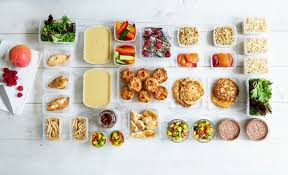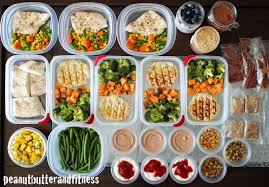
Maintaining healthy eating habits can feel challenging during the middle years of life. Between work responsibilities, family commitments, social activities, and personal goals, many adults find themselves short on time when it comes to planning and preparing nutritious meals. As a result, grabbing convenience foods or skipping meals altogether can become a common pattern. Fortunately, meal prep offers a practical solution that helps busy middle-aged adults enjoy balanced nutrition without adding stress to their daily routines.
Meal preparation, often called meal prep, involves planning and preparing meals or ingredients in advance. This simple habit can make healthy eating more accessible throughout the week while reducing the time spent cooking each day. Rather than wondering what to eat at the last minute, individuals can rely on meals that are already organized and ready to enjoy.
One of the greatest benefits of meal prep is consistency. Healthy eating often becomes difficult when people are tired, rushed, or distracted. Having prepared meals available removes much of the guesswork associated with food choices. Instead of reaching for highly processed snacks or ordering takeout, adults can enjoy nourishing meals that support their wellness goals.
Middle-aged adults often have changing nutritional needs. During this stage of life, maintaining muscle mass, supporting heart health, and managing energy levels become increasingly important. A balanced meal plan that includes lean proteins, whole grains, fruits, vegetables, and healthy fats can help meet these needs. Meal prep makes it easier to include a variety of nutrient-rich foods throughout the week.
Another advantage of meal preparation is improved portion awareness. Restaurant meals and convenience foods can sometimes contain larger portions than necessary. Preparing meals at home allows individuals to decide how much food goes into each serving. This approach can help support healthy weight management while ensuring that meals remain satisfying and enjoyable.
Time savings also make meal prep appealing. Spending a few hours preparing food once or twice a week can significantly reduce daily cooking demands. Chopping vegetables, cooking proteins, and portioning meals in advance means less time spent in the kitchen on busy weekdays. This extra convenience can help people stay committed to healthier eating habits even during hectic periods.
For beginners, meal prep does not need to be complicated. Starting with a simple plan often works best. Preparing a few lunches, dinners, or snacks for several days can create a manageable routine. Some people prefer cooking complete meals ahead of time, while others focus on preparing ingredients that can be combined quickly when needed. Both approaches can support a healthy lifestyle.
Breakfast is an excellent place to begin. Many adults rush through their mornings and may skip breakfast due to time constraints. Preparing overnight oats, yogurt parfaits, or fruit and nut combinations in advance can provide a convenient and nutritious start to the day. Having breakfast ready can help support concentration, energy, and overall productivity.
Lunch preparation can be equally beneficial. Bringing a homemade lunch to work or enjoying a prepared meal at home helps reduce reliance on fast food and vending machine snacks. Grain bowls, salads with lean protein, and vegetable-rich wraps are examples of meals that can be prepared ahead and stored safely for several days.
Dinner planning often presents the biggest challenge for busy households. After a long day, cooking from scratch may feel overwhelming. Preparing proteins, roasted vegetables, and cooked grains in advance can make evening meals much easier to assemble. This strategy allows families to enjoy nutritious dinners without spending excessive time in the kitchen.
Healthy snacks also deserve attention. Midday hunger can lead to impulsive food choices when nutritious options are unavailable. Preparing snacks such as sliced vegetables, fresh fruit, nuts, seeds, or whole-grain crackers in advance makes it easier to choose foods that support overall wellness. Convenient access to healthy snacks can help maintain steady energy throughout the day.
Meal prep can also support budgeting goals. Planning meals before shopping helps reduce unnecessary purchases and food waste. When ingredients are selected with specific meals in mind, households often use food more efficiently. Over time, this can contribute to meaningful savings while still supporting a varied and nutritious diet.
Variety remains important for long-term success. Eating the same meals every day may become repetitive and reduce motivation. Rotating ingredients, trying different seasonings, and exploring new recipes can help keep meal prep enjoyable. Small changes can introduce new flavors and textures while maintaining the convenience of advance preparation.
Food safety should always be considered when preparing meals ahead of time. Proper storage, refrigeration, and handling practices help maintain freshness and quality. Using airtight containers and labeling meals with preparation dates can simplify organization while supporting safe food consumption throughout the week.
Many people worry that meal prep requires advanced cooking skills, but this is rarely the case. Simple recipes often work best. Basic cooking techniques such as roasting vegetables, grilling proteins, and preparing whole grains can create the foundation for numerous healthy meals. As confidence grows, individuals can experiment with additional ingredients and cooking methods.
Flexibility is another key element of successful meal preparation. Life does not always follow a predictable schedule, and meal plans may occasionally change. Allowing room for adjustments helps prevent frustration and supports long-term consistency. Meal prep should serve as a helpful tool rather than a rigid set of rules.
The benefits of meal prep extend beyond nutrition alone. Having meals prepared in advance can reduce daily decision-making, lower stress levels related to food choices, and create a greater sense of control over personal wellness. These advantages can contribute to a healthier relationship with food and support overall quality of life.
For busy middle-aged adults, healthy eating does not have to be complicated or time-consuming. By dedicating a small amount of time to planning and preparation, it becomes easier to enjoy balanced meals throughout the week. Meal prep offers a practical way to support nutritional goals, save time, manage portions, and reduce stress around daily eating decisions.
As healthy habits develop over time, meal preparation can become an essential part of a sustainable wellness routine. With a thoughtful approach and realistic expectations, middle-aged adults can simplify their nutrition, maintain energy for their daily responsibilities, and enjoy the lasting benefits of consistent, nourishing meals. Everyday nutrition becomes far more manageable when preparation and planning work together to support a healthier lifestyle.