Maintaining a healthy eating routine can be challenging for middle-aged individuals who juggle work responsibilities, family commitments, social activities, and personal goals. Many people find themselves relying on takeout meals or processed convenience foods simply because they lack the time and energy to cook every day. Fortunately, practical weekly food preparation can make healthy eating easier, more affordable, and less stressful.
Food preparation does not require advanced cooking skills or hours spent in the kitchen. With a simple plan and a few smart habits, anyone can enjoy nutritious meals throughout the week while saving valuable time. By dedicating a small portion of the weekend or another convenient day to meal preparation, busy adults can set themselves up for success and reduce daily decision-making around food.
One of the most effective strategies is to create a simple weekly meal plan. Before heading to the grocery store, take a few minutes to think about the meals you want to eat during the upcoming week. Focus on practical dishes that use similar ingredients to minimize waste and simplify shopping. For example, vegetables purchased for a stir-fry can also be used in salads, soups, or wraps later in the week. A clear meal plan helps prevent impulse purchases and ensures that essential ingredients are available when needed.
Once the meal plan is established, prepare a detailed shopping list. Organizing the list by food categories such as vegetables, fruits, proteins, dairy products, and pantry staples can make grocery shopping faster and more efficient. Sticking to a list also helps reduce unnecessary spending and encourages healthier food choices.
After returning home from the store, consider washing and preparing fresh produce right away. Cleaning vegetables and fruits immediately makes them more accessible during busy weekdays. Chopped vegetables stored in airtight containers can be quickly added to salads, sandwiches, omelets, or dinner recipes. Similarly, washed fruit can serve as a convenient snack option that supports healthier eating habits.
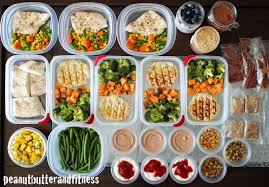
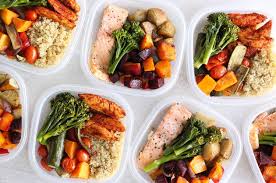
Batch cooking is another valuable technique for busy middle-aged adults. Instead of preparing individual meals every day, cook larger portions of staple foods that can be used throughout the week. Brown rice, quinoa, roasted vegetables, grilled chicken, baked fish, or bean-based dishes can be prepared in advance and stored safely in the refrigerator. These ingredients can then be mixed and matched to create a variety of meals without requiring extensive cooking each day.
Protein preparation is particularly important because protein-rich foods often require more cooking time. Cooking several servings of lean proteins at once can significantly reduce weekday kitchen work. Grilled chicken breast, turkey meatballs, hard-boiled eggs, tofu, lentils, or beans can be stored and incorporated into multiple meals. Having ready-to-eat protein sources available helps maintain balanced nutrition and supports overall wellness.
Healthy snacks should also be included in weekly preparation efforts. Busy schedules often lead to hunger between meals, and having nutritious snacks readily available can prevent unhealthy choices. Portioning nuts, yogurt, sliced vegetables, fresh fruit, or whole-grain crackers into individual servings makes healthy snacking both convenient and satisfying. These prepared options can easily be taken to work, enjoyed during travel, or consumed between appointments.
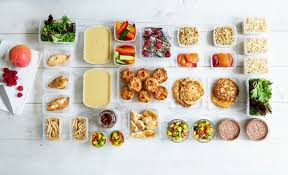
Proper food storage plays a major role in successful meal preparation. Investing in quality food containers can help keep meals fresh and organized. Transparent containers allow individuals to quickly identify available foods without opening multiple lids. Labeling containers with preparation dates can also improve food safety and reduce waste. Maintaining an organized refrigerator makes it easier to stay committed to prepared meals throughout the week.
Freezing meals can provide additional flexibility. Certain dishes such as soups, stews, casseroles, and cooked grains freeze exceptionally well. Preparing extra portions and freezing them creates a backup supply of convenient meals for especially busy days. This approach can be particularly helpful during demanding work periods or unexpected schedule changes. Having healthy frozen meals available reduces the temptation to order less nutritious alternatives.
Time management is another key factor in effective food preparation. Rather than viewing meal prep as a large project, consider breaking tasks into smaller steps. Grocery shopping can be completed one day, while cooking and portioning can take place on another. Some individuals prefer preparing ingredients instead of complete meals, allowing them to assemble fresh dishes quickly during the week. Finding a preparation style that fits personal preferences increases the likelihood of long-term success.
Kitchen efficiency can also be improved by using simple cooking methods. Sheet-pan meals, slow cookers, pressure cookers, and air fryers can reduce hands-on cooking time while producing flavorful results. These tools help streamline meal preparation and make healthy cooking more manageable for individuals with limited free time. Choosing uncomplicated recipes with a manageable number of ingredients can further reduce stress and encourage consistency.
Variety remains important even when following a structured meal preparation routine. Eating the same foods every day may eventually become boring and reduce motivation. To maintain interest, experiment with different herbs, spices, sauces, and cooking techniques. A single batch of cooked vegetables can taste completely different when paired with various seasonings or protein sources. Small changes can create a more enjoyable eating experience without adding significant preparation time.
Hydration should not be overlooked when planning weekly nutrition. Preparing beverages in advance can support healthy habits throughout the week. Keeping water bottles filled and easily accessible encourages regular hydration. Some individuals enjoy adding slices of lemon, cucumber, or fresh herbs to enhance flavor naturally. Staying hydrated contributes to overall well-being and complements healthy eating efforts.
Consistency is more important than perfection. There may be weeks when schedules become overwhelming and meal preparation does not go exactly as planned. Rather than abandoning healthy habits entirely, focus on making small, realistic improvements. Even preparing a few meals or snacks in advance can make a meaningful difference. Building sustainable routines gradually often leads to better long-term results than attempting overly ambitious plans.
In conclusion, practical weekly food preparation offers numerous benefits for busy middle-aged individuals. By planning meals, shopping strategically, preparing ingredients in advance, and using efficient cooking methods, it becomes easier to maintain a balanced diet despite a demanding schedule. These simple habits can save time, reduce stress, support healthier choices, and improve overall quality of life. With a little preparation and consistency, healthy eating can become a manageable and rewarding part of everyday living.