Maintaining healthy eating habits can become more challenging during middle age. Busy work schedules, family responsibilities, changing energy levels, and evolving nutritional needs often make it difficult to prepare balanced meals every day. Fortunately, meal prepping offers a practical solution. By planning and preparing meals in advance, you can reduce stress, save time, and make healthier food choices throughout the week.
The key to success is creating a meal prep routine that fits your lifestyle rather than following a rigid system that feels overwhelming. A sustainable approach allows you to stay consistent while enjoying a variety of foods and maintaining flexibility for life’s unexpected changes.
One of the first steps in building a reliable meal prep routine is understanding your schedule. Take a few minutes each week to review upcoming commitments, including work, social events, family activities, and appointments. Knowing when you will be busiest helps you determine how many meals need to be prepared ahead of time. This prevents over-preparing food that may go uneaten while ensuring you have healthy options available during hectic days.
Choosing a dedicated meal prep day can also make a significant difference. Many people prefer weekends because they often have more free time, but any day that works consistently for your schedule can be effective. Setting aside a regular time each week helps transform meal preparation into a habit rather than an occasional task. Consistency is often more important than the specific day you choose.
When planning meals, simplicity should be your friend. Complex recipes that require numerous ingredients and lengthy preparation times can quickly become discouraging. Instead, focus on nutritious meals built around lean proteins, whole grains, vegetables, fruits, and healthy fats. Simple dishes are easier to prepare in larger quantities and can often be mixed and matched throughout the week for variety.
Creating a basic meal template can streamline the planning process. For example, each meal may include a protein source, a vegetable, and a healthy carbohydrate. This framework makes grocery shopping easier and reduces decision fatigue. Over time, you can rotate different ingredients to keep meals interesting while maintaining a familiar structure.
A well-organized shopping list is another valuable tool. Before heading to the grocery store, review your planned meals and list all necessary ingredients. Shopping with a plan can help reduce impulse purchases and ensure you have everything needed for meal preparation. It can also support budgeting goals by minimizing food waste and avoiding last-minute takeout meals.
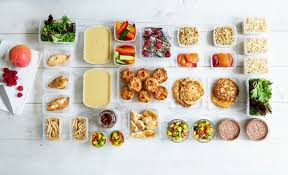
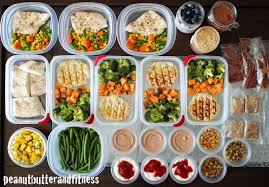
Proper food storage plays a major role in meal prep success. Investing in durable, reusable containers can help keep meals fresh and organized. Clear containers allow you to see what is available at a glance, making it easier to choose prepared meals instead of less healthy alternatives. Labeling containers with preparation dates can further support food safety and freshness.
For many middle-aged adults, portion awareness becomes increasingly important. Metabolism often changes with age, making it helpful to prepare balanced portions ahead of time. Pre-portioned meals can reduce overeating and support long-term wellness goals without requiring constant calorie counting or restrictive dieting. The goal is to create satisfying meals that provide steady energy throughout the day.
Batch cooking is another strategy that can save significant time. Preparing larger quantities of staple ingredients such as grilled chicken, roasted vegetables, brown rice, quinoa, or beans allows you to assemble multiple meals quickly. Rather than cooking entirely different dishes every day, you can combine these prepared ingredients in various ways to create diverse lunches and dinners.
Breakfast deserves attention as well. Many people rush through mornings or skip breakfast altogether when pressed for time. Preparing overnight oats, yogurt parfaits, egg-based dishes, or fruit portions in advance can make mornings smoother and support consistent eating habits. Starting the day with a balanced meal may help maintain energy and concentration throughout daily activities.
Healthy snacks can also be included in your meal prep routine. Preparing snack-sized portions of nuts, sliced vegetables, fresh fruit, or whole-grain crackers can help prevent excessive hunger between meals. Having nutritious options readily available makes it easier to avoid less healthy convenience foods during busy moments.
Flexibility is an essential part of any sustainable meal prep system. Life rarely follows a perfect schedule, and unexpected events may occasionally disrupt your plans. Instead of viewing these moments as failures, treat them as normal adjustments. A flexible mindset helps maintain long-term consistency and prevents the all-or-nothing thinking that often undermines healthy habits.
Variety is equally important for maintaining motivation. Eating the same meal every day can become monotonous, leading to boredom and reduced commitment. Rotating ingredients, trying new seasonings, or introducing a different recipe each week can keep meal prep enjoyable. Small changes can create a sense of freshness without adding significant complexity.
Hydration should not be overlooked when developing a healthy routine. Preparing water bottles, infused water, or other low-sugar beverages can encourage adequate fluid intake throughout the day. Proper hydration supports overall wellness and complements healthy eating habits.
As nutritional needs can change during middle age, focusing on nutrient-dense foods becomes increasingly valuable. Foods rich in fiber, vitamins, minerals, and quality protein can support energy levels, muscle maintenance, and overall health. Building meals around wholesome ingredients can contribute to long-term well-being while making meal prep more rewarding.
Tracking your progress can provide useful insights. You do not need an elaborate system. Simply noting which meals you enjoyed, which recipes saved time, and what challenges arose can help refine your routine over time. Small adjustments based on real experience often lead to the most sustainable improvements.
It is also helpful to involve family members when possible. Sharing meal planning, shopping, or food preparation responsibilities can reduce workload and encourage healthier eating habits for everyone in the household. Even simple participation can make the process feel more manageable and enjoyable.
Remember that perfection is not the objective. A successful meal prep routine is one that supports your lifestyle, reduces daily stress, and helps you make consistent choices that align with your goals. Some weeks will go smoothly, while others may require adjustments. What matters most is maintaining a routine that is realistic and sustainable.
Building a consistent meal prep routine during middle age does not require advanced cooking skills or hours spent in the kitchen. By focusing on planning, simplicity, flexibility, and gradual improvement, you can create a system that fits your unique needs. Over time, these small, consistent efforts can lead to healthier eating habits, greater convenience, and a stronger sense of control over your daily nutrition. With patience and practice, meal prepping can become a valuable part of a balanced and fulfilling lifestyle.