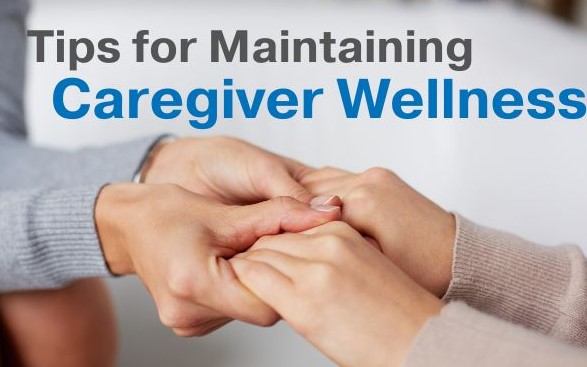
Caregiving is a meaningful and compassionate role, but it can also be physically and emotionally demanding. Whether caring for a family member, friend, or loved one, caregivers often focus so much on others that they forget to care for themselves. A simple daily wellness plan can help caregivers maintain balance, improve energy, and support overall well-being.
A daily wellness plan does not need to be complicated or time-consuming. Small, consistent habits can help caregivers feel more calm, organized, and prepared for daily responsibilities. By focusing on simple routines, caregivers can create a sustainable approach to wellness.
Start the Morning with a Calm Beginning
Caregivers often begin their day early and with many responsibilities. Taking a few minutes in the morning for yourself can make a positive difference. Gentle stretching, slow breathing, or simply sitting quietly can help create a calm start.
Beginning the day calmly can improve focus and reduce stress. Even a short moment of quiet can help caregivers feel more prepared.
Stay Hydrated and Nourished
Caregivers sometimes forget to eat or drink regularly while helping others. Staying hydrated and having regular meals can help maintain energy throughout the day. Keeping water nearby and preparing simple snacks can make this habit easier.
Regular hydration and nourishment support concentration and comfort. This simple habit helps caregivers stay energized.
Plan One or Two Priorities
Caregiving involves many tasks, which can sometimes feel overwhelming. Choosing one or two priorities for the day can help caregivers stay organized. These priorities might include completing a task, making a phone call, or organizing supplies.
Focusing on a few priorities helps create a sense of accomplishment. It also supports better time management.
Include Gentle Movement
Caregiving may involve long periods of standing, sitting, or lifting. Gentle movement can help reduce tension and improve comfort. Stretching or taking a short walk can help refresh the body.
Even a few minutes of movement can help caregivers feel more relaxed and energized.
Take Short Breaks
Caregivers often feel they must always be available, but short breaks are important. Taking a few minutes to rest, breathe, or relax can help reduce stress. These small breaks help caregivers recharge.
Short breaks support both physical and emotional well-being.
Stay Mentally Refreshed
Caregiving can be emotionally demanding. Taking time for enjoyable activities can help maintain balance. Reading, listening to music, or spending a few quiet moments can support mental wellness.
These small moments of relaxation help caregivers stay positive and focused.
Stay Connected with Support
Caregivers benefit from staying connected with others. Talking with family members, friends, or support groups can provide encouragement. Even brief conversations can help improve mood.
Support from others helps caregivers feel less isolated.
Keep Your Environment Organized
An organized space can make caregiving tasks easier. Spending a few minutes tidying up can reduce stress and save time. Keeping essential items in one place can improve efficiency.
This simple habit helps create a calmer environment.
Create a Simple Afternoon Reset
Afternoons can sometimes feel tiring. Taking a short break, stretching, or having a quiet moment can help caregivers reset. This helps maintain energy for the rest of the day.
A simple afternoon reset supports balance and focus.
Prepare for the Evening
A calm evening routine helps caregivers relax after a busy day. This might include organizing tasks for the next day, enjoying quiet time, or reflecting on the day. Preparing ahead can reduce stress.
Evening routines help caregivers wind down and recharge.
Practice Positive Reflection
Taking a moment to reflect on the day can support emotional wellness. Caregivers can think about something meaningful or positive. This simple habit helps maintain a balanced mindset.
Reflection encourages appreciation for small moments.
Stay Flexible
Caregiving schedules often change. A flexible routine helps caregivers adapt to unexpected situations. Even shorter habits can still support wellness.
Flexibility makes routines easier to maintain.
Build Habits Gradually
Caregivers do not need to create a full routine at once. Starting with one or two habits makes it easier to stay consistent. Over time, more habits can be added naturally.
Small steps create lasting improvements.
Create a Balanced Caregiving Routine
Wellness for caregivers focuses on simple, supportive habits. Staying hydrated, taking breaks, gentle movement, and quiet moments can support daily well-being. These small actions help caregivers stay calm and balanced.
Caregiving is an important and meaningful role. By creating a daily wellness plan, caregivers can support their own well-being while continuing to care for others. Small, consistent habits can help build a sustainable routine that supports comfort, balance, and long-term wellness.