Maintaining healthy eating habits can become more challenging during middle age. Busy work schedules, family responsibilities, social commitments, and changing nutritional needs often make it difficult to prepare balanced meals every day. Many adults find themselves relying on convenience foods or skipping meals when time is limited. Fortunately, meal preparation can provide a practical solution that supports healthier eating patterns while reducing daily stress.
Meal prep is the process of planning and preparing meals or ingredients in advance. Rather than deciding what to eat at the last minute, individuals can create a structured approach that makes nutritious choices easier and more convenient. For middle-aged adults, meal prep can help support overall wellness, encourage portion awareness, and simplify healthy eating throughout the week.
One of the most effective meal prep strategies is creating a realistic weekly meal plan. Instead of attempting complicated recipes every day, it is often helpful to choose a small selection of meals that can be enjoyed throughout the week. Planning breakfast, lunch, dinner, and snacks ahead of time reduces uncertainty and minimizes the temptation to choose less nutritious options. A simple plan also makes grocery shopping more efficient because every item has a clear purpose.
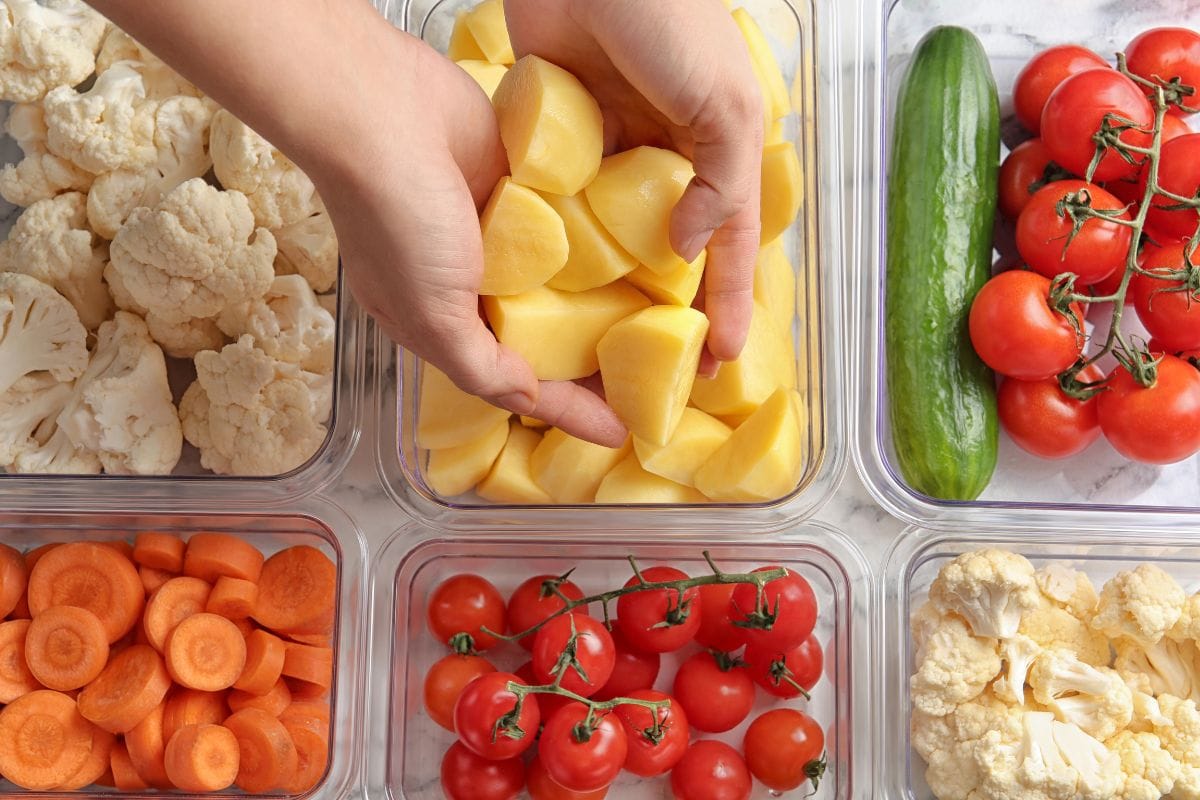
Another valuable approach is setting aside a dedicated meal preparation day. Many people choose a weekend afternoon or another convenient time during the week to wash vegetables, cook proteins, prepare grains, and portion meals. Completing these tasks in advance can significantly reduce the amount of cooking required on busy weekdays. Even spending one or two hours preparing ingredients can make healthy meals much easier to assemble later.
Batch cooking is particularly useful for middle-aged adults seeking consistency in their eating habits. Preparing larger quantities of foods such as soups, stews, roasted vegetables, brown rice, or grilled chicken allows multiple meals to be created from a single cooking session. These prepared foods can be stored safely in the refrigerator or freezer and used throughout the week. Batch cooking not only saves time but also helps reduce food waste and unnecessary spending.
Keeping meals balanced is another important consideration. A well-rounded meal often includes a source of lean protein, vegetables, whole grains, and healthy fats. When preparing meals in advance, it can be helpful to include a variety of colorful ingredients that provide different nutrients and flavors. This variety helps prevent boredom and encourages long-term adherence to healthy eating habits.
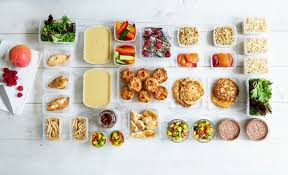
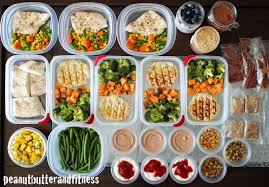
Portion control can also be improved through meal prep. Pre-portioned meals make it easier to enjoy appropriate serving sizes without needing to estimate portions during busy moments. Using reusable containers can help organize meals and support consistency. Preparing individual servings may also reduce the likelihood of overeating, especially when stress or fatigue influences food choices.
Healthy snacks deserve attention as well. Many adults experience hunger between meals, and having nutritious snacks readily available can prevent impulsive choices. Preparing snack-sized portions of fruit, vegetables, yogurt, nuts, or whole-grain options makes healthy eating more convenient. When nutritious snacks are visible and accessible, they are often more likely to be selected.
Flexibility remains an essential component of successful meal preparation. While planning is beneficial, life does not always follow a predictable schedule. Some days may involve unexpected events, dining out, or changes in appetite. Rather than viewing meal prep as a rigid system, it is more helpful to see it as a supportive framework. Flexible meal planning allows individuals to adjust their choices while still maintaining healthy habits overall.
Organization can make meal preparation even more effective. Labeling containers with preparation dates and meal names helps ensure foods are used while fresh. Maintaining a simple inventory of ingredients can prevent duplicate purchases and make weekly planning easier. A well-organized refrigerator and pantry can also reduce the time needed to locate ingredients during meal assembly.
Middle-aged adults may benefit from focusing on nutrient-dense foods that support overall wellness. Fresh vegetables, fruits, whole grains, legumes, lean proteins, and healthy fats can form the foundation of many meal prep routines. Choosing minimally processed foods whenever possible often contributes to greater nutritional quality and may help individuals feel satisfied for longer periods after meals.
Another useful strategy involves preparing meal components rather than complete meals. For example, cooking a batch of grains, chopping vegetables, and preparing protein sources separately allows for greater flexibility throughout the week. These ingredients can be mixed and matched to create different meals without requiring extensive daily cooking. This method provides variety while still saving valuable time.
Time-saving kitchen tools can also support meal preparation efforts. Slow cookers, pressure cookers, food processors, and quality storage containers can simplify many tasks. While these tools are not required, they may help streamline preparation and make healthy eating more manageable for busy households.
Involving family members in meal preparation can create additional benefits. Shared planning and cooking responsibilities can reduce workload while encouraging healthier eating habits for everyone in the household. Preparing meals together may also create opportunities for connection and collaboration. When healthy eating becomes a shared goal, consistency is often easier to maintain.
Maintaining motivation is important for long-term success. Starting with small, achievable goals can prevent feelings of overwhelm. Rather than preparing every meal for an entire week, some individuals may begin by preparing lunches or a few dinners. Gradually expanding meal prep routines allows new habits to develop naturally and sustainably.
It is also helpful to evaluate meal prep routines periodically. Preferences, schedules, and nutritional needs may change over time. Reviewing what worked well and identifying areas for improvement can keep meal preparation enjoyable and effective. Experimenting with new recipes, seasonal ingredients, and cooking techniques can add excitement while supporting healthy eating goals.
Meal preparation does not require perfection. The primary objective is to make nutritious meals more accessible and convenient. Even modest planning efforts can lead to meaningful improvements in dietary consistency and overall well-being. By reducing daily decision-making and creating a reliable structure for meals, individuals can develop habits that fit comfortably into their lifestyles.
For middle-aged adults seeking a practical way to maintain healthier eating patterns, meal prep offers a flexible and sustainable solution. Through thoughtful planning, simple preparation techniques, and realistic expectations, it becomes easier to enjoy balanced meals on a regular basis. Consistent meal preparation can save time, reduce stress, and support long-term wellness, making healthy eating a more achievable part of everyday life.