Modern life often feels like a race against the clock. Between work responsibilities, family commitments, errands, and personal goals, preparing meals can easily become a stressful task. Many adults want to enjoy home-cooked food but struggle to find enough time to plan, shop, and cook throughout the week. Fortunately, a few simple kitchen planning strategies can make meal preparation easier, more organized, and far more convenient.
Kitchen planning is not about creating a perfect routine or spending hours preparing food. Instead, it is about building practical habits that save time and reduce daily decision-making. With a thoughtful approach, busy adults can enjoy convenient meals while maintaining a more organized kitchen environment.
One of the most effective ways to simplify meal preparation is to create a basic weekly meal outline. This does not require detailed recipes for every day. A simple list of meal ideas can provide enough structure to eliminate the common question of what to cook each evening. For example, assigning themes such as pasta night, soup night, or stir-fry night can make planning feel less overwhelming. Having a general direction for each day reduces last-minute stress and helps streamline grocery shopping.
Keeping a well-stocked pantry is another valuable strategy. Pantry staples can serve as the foundation for many quick and convenient meals. Items such as rice, pasta, canned beans, oats, and shelf-stable seasonings offer flexibility when schedules become unpredictable. When a busy day leaves little time for shopping, these ingredients can help create satisfying meals without requiring a special trip to the store.
Refrigerator organization also plays an important role in meal convenience. When ingredients are easy to see and access, they are more likely to be used before they spoil. Storing frequently used items in visible locations can make meal preparation faster and more efficient. Clear storage containers and labeled shelves can help busy households quickly locate ingredients and reduce food waste.
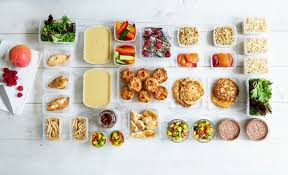
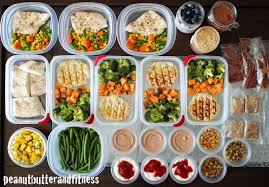
Another useful habit is preparing ingredients ahead of time. Spending a short period washing vegetables, portioning snacks, or organizing ingredients can save significant time later in the week. Even fifteen to twenty minutes of preparation can make weeknight cooking feel much more manageable. Small tasks completed in advance often prevent larger kitchen challenges during busy evenings.
Many adults also benefit from choosing recipes with fewer ingredients. While complex dishes can be enjoyable for special occasions, everyday meals are often easier when they rely on simple ingredients and straightforward preparation methods. Meals that require only a handful of ingredients can reduce shopping time, preparation effort, and cleanup responsibilities. Simplicity often leads to greater consistency in maintaining a meal routine.
Batch cooking is another practical approach that supports convenience. Preparing larger portions of certain foods allows leftovers to be used in future meals. Cooked grains, roasted vegetables, and protein-rich foods can be incorporated into different dishes throughout the week. This method reduces the amount of cooking required on busy days and helps maximize the value of time spent in the kitchen.
Kitchen tools can also contribute to a smoother cooking experience. While it is not necessary to purchase numerous gadgets, having a few reliable tools can make meal preparation more efficient. Sharp knives, cutting boards, storage containers, and basic cookware are often sufficient for most households. Choosing tools that support regular cooking habits can help simplify daily tasks and improve workflow.
A shopping list is another small habit with significant benefits. Without a list, it is easy to forget ingredients or purchase unnecessary items. Keeping a running list throughout the week allows shoppers to stay organized and focused. Some people prefer traditional paper lists, while others use smartphone applications. The best system is the one that fits naturally into an individual’s routine.
Time-saving meals are especially valuable for busy adults. Keeping a collection of favorite recipes that can be prepared quickly provides a dependable solution when schedules become hectic. These meals do not need to be elaborate. Simple combinations of vegetables, grains, proteins, and seasonings can create satisfying dishes without requiring extensive preparation. Having several reliable meal options reduces stress and encourages consistency.
Another helpful planning technique involves using ingredients in multiple ways. For example, cooked vegetables prepared for one meal can be included in another dish later in the week. This approach minimizes waste and maximizes efficiency. Thinking ahead about how ingredients can serve multiple purposes often results in a more flexible and economical kitchen routine.
Cleaning as you go is a habit that can make the kitchen feel more manageable. Instead of allowing dishes and utensils to accumulate, washing or organizing items during meal preparation helps reduce the workload afterward. A cleaner workspace can also create a more enjoyable cooking experience and make future meal preparation easier.
Busy adults should also recognize the value of flexibility. Not every week will go according to plan, and unexpected events can disrupt even the most organized schedule. Building flexibility into meal planning allows for adjustments without creating frustration. Keeping a few quick meal options available can provide a useful backup when plans change.
Involving family members or household partners can further improve kitchen efficiency. Sharing responsibilities such as shopping, food preparation, and cleanup can reduce the workload for any one person. Even small contributions from different household members can create a more balanced and cooperative environment.
Technology can support kitchen planning as well. Digital calendars, recipe apps, and grocery management tools can help organize meal schedules and shopping lists. These resources can simplify planning and make information easier to access when needed. However, it is important to choose systems that remain simple and practical rather than creating additional complexity.
Perhaps the most important aspect of successful kitchen planning is developing sustainable habits. Small, consistent improvements often produce better long-term results than dramatic changes. Establishing a few reliable routines can gradually transform meal preparation from a stressful obligation into a manageable part of daily life.
Convenient meals do not require expensive ingredients, advanced cooking skills, or hours of preparation. By organizing the kitchen, planning meals in advance, maintaining essential ingredients, and adopting practical routines, busy adults can save time and reduce stress. These simple kitchen planning tips can create a smoother cooking experience and help make home-prepared meals a realistic option, even during the busiest weeks.
With thoughtful preparation and realistic expectations, anyone can build a kitchen routine that supports convenience, efficiency, and enjoyable meals. The goal is not perfection but progress. Small planning efforts made today can lead to a more organized kitchen and a more comfortable mealtime experience in the future.