Finding time to prepare healthy meals can feel challenging when work, family responsibilities, and daily commitments fill the schedule. Many adults want to improve their nutrition but struggle to cook balanced meals every day. This is where meal prep can make a significant difference. By setting aside a small amount of time each week, it becomes easier to enjoy nutritious meals without the stress of last-minute decisions.
Meal preparation does not require advanced cooking skills or expensive ingredients. In fact, beginners often achieve the best results by focusing on simple recipes and practical habits. With a little planning, meal prep can help support healthier eating patterns while saving both time and money.
One of the easiest ways to begin meal prepping is to start with breakfast. Mornings are often rushed, which can lead to skipped meals or less nutritious choices. Preparing breakfast ahead of time allows busy adults to begin the day with a balanced meal. Overnight oats are a popular option because they require minimal effort. Combining oats, milk or a plant-based alternative, and fresh fruit in a container creates a ready-to-eat breakfast that can be stored in the refrigerator. Hard-boiled eggs paired with whole-grain toast or fruit also provide a quick and satisfying start to the day.
Lunch preparation is another area where meal prep can be extremely helpful. Purchasing lunch every day can become expensive and may not always provide the nutritional balance many people seek. Preparing lunches in advance helps reduce decision fatigue and encourages healthier eating habits. Grain bowls are a beginner-friendly choice because they are easy to customize. A simple bowl can include brown rice, grilled chicken, roasted vegetables, and a light dressing. Those who prefer plant-based meals can substitute beans, lentils, or tofu for the protein source.
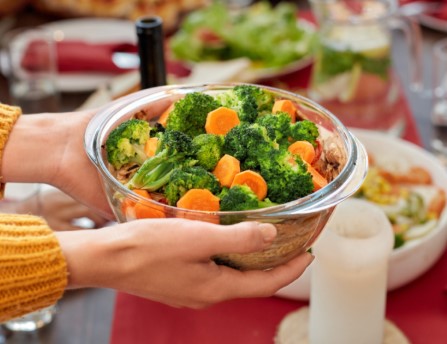
For busy adults, simple dinners are often the key to maintaining a meal prep routine. Rather than preparing several complicated recipes, it may be easier to focus on a few versatile ingredients. Cooking a large batch of protein, such as chicken, fish, or beans, can provide the foundation for multiple meals throughout the week. Roasted vegetables and cooked grains can be prepared at the same time and combined in different ways to create variety. For example, one evening meal might feature grilled chicken with vegetables, while another uses the same ingredients in a wrap or salad.
Snack preparation is often overlooked, yet it can play an important role in supporting balanced nutrition. Having healthy snacks readily available may help reduce the temptation to reach for less nutritious options during busy moments. Fresh fruit, sliced vegetables, yogurt, nuts, and whole-grain crackers are all convenient choices. Preparing snack portions in advance can make them easier to grab when needed.
A common concern among beginners is the fear of becoming bored with repetitive meals. Fortunately, meal prep does not mean eating the exact same food every day. Small changes in seasonings, sauces, and side dishes can create different flavors while using the same core ingredients. For example, roasted vegetables can be paired with herbs and olive oil one day and enjoyed with a light yogurt-based sauce another day. This approach helps maintain variety without requiring additional cooking time.
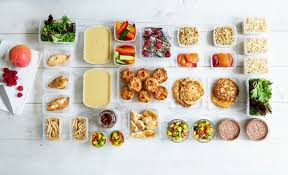
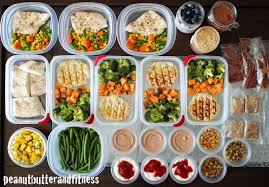
Organization is another important factor in successful meal preparation. Investing in a few reusable food containers can make storage more convenient. Clear containers allow individuals to see what meals are available, reducing food waste and encouraging planned eating. Labeling containers with preparation dates can also help maintain freshness and improve food management throughout the week.
For those completely new to meal prep, starting small is often the best strategy. Attempting to prepare every meal for an entire week may feel overwhelming. Instead, preparing just a few lunches or dinners can build confidence and establish a sustainable routine. As comfort and experience increase, additional meals can gradually be included in the plan.
Creating a simple shopping list before visiting the grocery store can also improve meal prep success. A list helps reduce impulse purchases and ensures that all necessary ingredients are available. Choosing ingredients that can be used in multiple meals is especially practical. Items such as rice, oats, eggs, vegetables, beans, and lean proteins offer flexibility and can support a variety of nutritious dishes.
Another helpful approach is to schedule a specific time for meal preparation each week. Many people find success by dedicating a few hours during the weekend to cooking and organizing meals. Others prefer shorter preparation sessions spread throughout the week. The best method depends on individual schedules and preferences. Consistency is often more important than the exact timing.
Hydration should also be considered when discussing daily nutrition. While meal prep focuses primarily on food, having water readily available throughout the day supports overall wellness. Some individuals find it useful to prepare infused water with slices of fruit or herbs to add flavor and encourage regular hydration.
Budget-conscious adults may appreciate the financial benefits of meal preparation. Planning meals in advance can reduce unnecessary spending on takeout and convenience foods. Buying ingredients in larger quantities and using leftovers creatively may also help stretch grocery budgets. Over time, these savings can become significant while still supporting nutritional goals.
Meal prep is not about perfection. There may be weeks when schedules become unpredictable or plans change. Flexibility is important, and occasional adjustments are a normal part of maintaining healthy habits. The goal is to make nutritious choices more accessible and manageable, not to create additional stress.
Ultimately, beginner-friendly meal prep is about creating a system that fits individual lifestyles. By focusing on simple recipes, preparing ingredients ahead of time, and building consistent routines, busy adults can make healthier eating more achievable. Small steps taken today can lead to lasting habits that support better nutrition and greater convenience in everyday life. With patience and practice, meal preparation can become an effective tool for improving daily nutrition while simplifying the demands of a busy schedule.