Modern life often feels like a race against the clock. Between work responsibilities, family commitments, personal goals, and social activities, finding time to prepare nutritious meals can be challenging. Many adults discover that when schedules become hectic, healthy eating habits may take a back seat to convenience foods or last-minute dining choices. Fortunately, meal preparation offers a practical solution that supports both wellness and efficiency.
Meal preparation, often called meal prep, involves planning, organizing, and preparing meals or ingredients in advance. This habit can help reduce daily stress, save time during busy weekdays, and encourage balanced eating patterns. By adopting a few simple meal preparation strategies, adults can enjoy healthier meals while simplifying their routines.
One of the most important meal preparation habits is creating a weekly meal plan. Taking a few minutes each week to decide what meals will be prepared can make grocery shopping more efficient and reduce uncertainty during busy days. A meal plan does not need to be complicated. It can include breakfast, lunch, dinner, and snacks that fit personal preferences and schedules. Having a plan in place helps individuals make thoughtful food choices rather than relying on whatever happens to be available at the moment.
Another helpful habit is preparing a detailed shopping list before visiting the grocery store. A well-organized list can save time, reduce unnecessary purchases, and ensure that all required ingredients are available. Shopping with a specific plan often helps people stay focused and avoid buying items that may not contribute to their intended meals. It also reduces the likelihood of needing multiple trips to the store throughout the week.
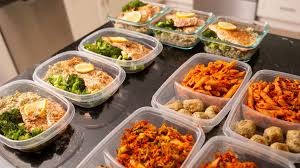
Batch cooking is a popular meal preparation technique that offers significant convenience. This approach involves preparing larger portions of food at one time and storing them for future meals. For example, cooking a large pot of soup, rice, or roasted vegetables can provide ingredients for several lunches or dinners. Batch cooking can be especially useful for busy professionals who may have limited time available during weekdays. By investing a little extra time in cooking once or twice a week, individuals can enjoy ready-to-eat meals on multiple occasions.
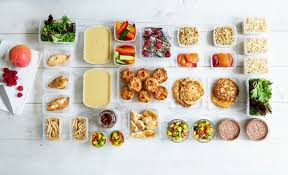
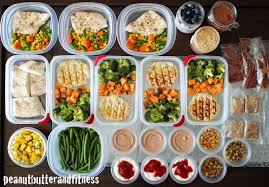
Proper food storage plays an important role in successful meal preparation. Using quality storage containers helps keep meals fresh, organized, and easy to access. Clear containers can make it easier to identify prepared foods quickly, reducing the temptation to choose less nutritious alternatives. Labeling containers with preparation dates can also support food safety and help ensure that meals are consumed while still fresh.
Preparing ingredients ahead of time is another valuable strategy. Even when complete meals are not prepared in advance, having ingredients washed, chopped, and portioned can significantly reduce cooking time. Fresh vegetables, fruits, lean proteins, and whole grains can be organized in advance to make meal assembly faster and more convenient. This simple habit often encourages home cooking because much of the preparation work has already been completed.
Portion awareness is an additional benefit of meal preparation. When meals are prepared in advance, it becomes easier to create balanced servings that align with personal nutritional goals. Pre-portioned meals can help individuals avoid overeating while ensuring they receive a variety of nutrients throughout the day. This approach can also reduce food waste because ingredients are used more intentionally.
Busy adults often benefit from keeping healthy snacks readily available. Preparing snack portions in advance can support consistent energy levels and reduce the likelihood of impulsive food choices. Fresh fruit, yogurt, nuts, whole-grain crackers, and cut vegetables are examples of convenient options that can be stored and enjoyed throughout the week. Having nutritious snacks available makes it easier to stay on track with healthy eating habits during busy workdays or travel schedules.
Flexibility is another key component of successful meal preparation. While planning is helpful, unexpected events can occur. Meetings may run late, social invitations may arise, or schedules may change unexpectedly. Effective meal preparation allows room for adjustments without creating unnecessary stress. Maintaining a few versatile ingredients that can be used in multiple recipes provides greater flexibility while still supporting healthy eating goals.
Technology can also support meal preparation efforts. Many adults use digital calendars, meal-planning applications, or recipe management tools to organize their weekly menus. These resources can simplify planning and help maintain consistency over time. Some applications even generate shopping lists automatically based on selected recipes, saving additional time and effort.
Establishing a regular meal preparation routine can make the habit easier to maintain. Many people choose a specific day each week for planning, shopping, and food preparation. Consistency helps transform meal prep from an occasional activity into a sustainable lifestyle practice. Over time, the process often becomes more efficient as individuals discover recipes, ingredients, and techniques that fit their preferences.
Meal preparation can also support financial wellness. Planning meals in advance often helps households use ingredients more efficiently and reduce food waste. Cooking at home may provide opportunities to manage food expenses more effectively compared to frequent dining out. While savings vary depending on individual circumstances, organized meal planning can contribute to more intentional spending habits.
Variety remains important when preparing meals regularly. Including different proteins, vegetables, grains, and flavors can help keep meals enjoyable and satisfying. Exploring new recipes periodically can prevent boredom and encourage a wider range of nutrient-rich foods. Small changes, such as trying a new vegetable or seasoning blend, can add excitement without significantly increasing preparation time.
Perhaps one of the greatest advantages of meal preparation is the sense of control it provides. Busy schedules often create pressure and decision fatigue throughout the day. Having meals planned and prepared reduces one daily responsibility and allows individuals to focus their attention on other priorities. Knowing that nutritious options are readily available can make healthy choices feel more achievable and less stressful.
In conclusion, meal preparation is a practical habit that supports both health and convenience for busy adults. Through thoughtful planning, organized shopping, batch cooking, proper storage, and consistent routines, individuals can simplify their daily lives while making balanced food choices. Although every person’s schedule and preferences are unique, adopting even a few meal preparation habits can lead to greater efficiency, improved organization, and a more enjoyable approach to everyday eating.