Maintaining healthy eating habits can feel challenging during middle age, especially when work responsibilities, family commitments, and personal obligations compete for attention. Many people find themselves relying on convenience foods or skipping meals because they simply do not have enough time to cook every day. Fortunately, meal preparation can make healthy eating more manageable without requiring hours in the kitchen.
Balanced meal prep is not about following strict diets or spending an entire weekend cooking. Instead, it focuses on creating simple, nutritious meals that fit into a busy lifestyle. With a few practical techniques, middle-aged adults can enjoy satisfying meals, save time, and support their overall well-being.
One of the most effective meal prep strategies is planning meals before shopping. Taking a few minutes each week to decide what to eat can reduce stress and prevent last-minute food choices. A simple plan that includes breakfast, lunch, dinner, and snacks provides a helpful structure. By knowing exactly what ingredients are needed, shoppers can create efficient grocery lists and avoid unnecessary purchases.
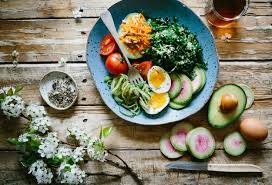
Choosing balanced ingredients is another important step. A well-rounded meal often includes lean protein, whole grains, healthy fats, and a variety of fruits or vegetables. Protein sources such as chicken, fish, eggs, beans, lentils, and tofu can help support muscle maintenance and provide lasting energy. Whole grains like brown rice, quinoa, and oats offer fiber that contributes to fullness. Healthy fats from foods such as avocados, nuts, and olive oil can add flavor and satisfaction to meals.
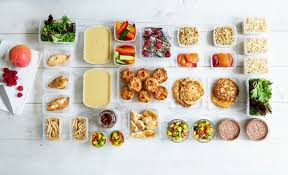
Preparing ingredients in advance can dramatically reduce cooking time during busy weekdays. Washing and chopping vegetables immediately after grocery shopping makes them ready to use when needed. Storing prepared vegetables in clear containers can also encourage healthier food choices because nutritious options are visible and convenient. Similarly, cooking grains ahead of time allows them to be quickly added to lunches and dinners throughout the week.
Batch cooking is another useful technique for busy individuals. Instead of preparing a single serving, consider making larger portions of soups, stews, casseroles, or roasted vegetables. These meals can be divided into individual containers and refrigerated or frozen for future use. Having ready-made meals available can reduce the temptation to order takeout when schedules become hectic.
Breakfast often receives less attention than other meals, yet it plays an important role in starting the day with energy. Preparing breakfast items in advance can make mornings less rushed. Overnight oats, yogurt parfaits, hard-boiled eggs, and fruit portions can all be prepared ahead of time. These options provide convenience while supporting balanced nutrition.
Lunch preparation can also simplify busy workdays. Packing lunches the night before can save valuable time in the morning. Grain bowls, salads with protein, wraps, and homemade sandwiches are practical choices that travel well. Including colorful vegetables can increase variety and make meals more appealing. A prepared lunch often helps individuals avoid expensive and less nutritious alternatives.
Dinner is frequently the most challenging meal for busy households. After a long day, many people prefer quick solutions. Keeping a selection of pre-prepared ingredients on hand can make dinner assembly much easier. For example, cooked chicken, roasted vegetables, and brown rice can be combined in different ways throughout the week. This approach creates variety while reducing daily cooking demands.
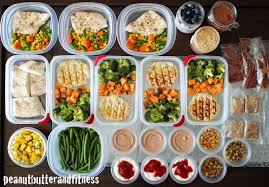
Portion management is another helpful aspect of meal preparation. Using appropriately sized containers can help organize meals and support balanced eating habits. Rather than focusing on strict restrictions, portion awareness encourages a practical approach to enjoying food. Preparing individual servings in advance can also prevent overeating caused by large portions served directly from cooking dishes.
Flexibility is essential for long-term success. Meal prep should support daily life rather than create additional stress. Some weeks may allow extensive preparation, while others may require simpler solutions. Even preparing a few ingredients ahead of time can make a noticeable difference. The goal is progress and consistency rather than perfection.
Healthy snacks can also be included in a meal prep routine. Preparing snacks in advance helps prevent impulsive choices when hunger strikes. Fresh fruit, sliced vegetables, nuts, yogurt, and whole-grain crackers are convenient options that can be portioned into containers. Having nutritious snacks readily available may help maintain energy levels throughout the day.
Food storage plays an important role in preserving freshness and quality. Using airtight containers can help meals stay fresh longer and make refrigerators more organized. Labeling containers with preparation dates can simplify meal planning and reduce food waste. An organized storage system allows prepared foods to be easily identified and used before they spoil.
Variety is another key factor in maintaining interest in meal prep. Eating the same meal every day can become repetitive. Rotating protein sources, vegetables, grains, and seasonings can introduce new flavors without adding complexity. Simple changes in herbs, spices, or sauces can transform familiar ingredients into different meals.
Technology can also support meal preparation efforts. Many people use digital calendars, grocery list applications, or recipe management tools to stay organized. These resources can simplify planning and reduce the mental effort associated with deciding what to eat. Keeping favorite recipes saved in one location can make weekly preparation more efficient.
Meal prep can also provide financial benefits. Planning meals and purchasing ingredients intentionally often leads to fewer impulse purchases and less food waste. Preparing meals at home is frequently more economical than dining out regularly. Over time, these savings can become significant while supporting healthier eating habits.
For middle-aged adults, maintaining balanced nutrition is often part of supporting an active and productive lifestyle. Meal preparation offers a practical way to make healthy choices more accessible, even during busy periods. By planning ahead, preparing ingredients in advance, and creating flexible routines, individuals can enjoy nutritious meals without spending excessive time in the kitchen.
Ultimately, successful meal prep does not require advanced cooking skills or complicated recipes. Small, consistent actions can lead to meaningful improvements in daily eating habits. Whether preparing a few lunches, batch-cooking dinners, or organizing healthy snacks, each step contributes to a more balanced and manageable approach to nutrition. With a little preparation and creativity, busy middle-aged people can enjoy convenient meals that support both their schedules and their well-being.