Modern life often feels like a constant race between work responsibilities, family commitments, personal goals, and daily errands. With so many demands competing for attention, preparing healthy meals can sometimes seem difficult. Many adults find themselves relying on convenience foods or last-minute takeout simply because there is not enough time to cook from scratch every day. Fortunately, nutritious meal preparation does not have to be complicated or time-consuming. With a little planning and a few practical strategies, healthy eating can become a manageable part of even the busiest lifestyle.
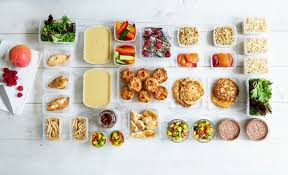
Meal preparation is the process of planning, organizing, and preparing meals or ingredients ahead of time. Rather than deciding what to eat at the last minute, meal prep allows individuals to have nutritious options readily available throughout the week. This approach not only saves time but can also help reduce food waste, simplify grocery shopping, and support healthier eating habits.
One of the most effective ways to begin meal preparation is by creating a simple weekly meal plan. Instead of planning every detail, focus on a few breakfast, lunch, and dinner ideas that use similar ingredients. For example, grilled chicken, brown rice, and mixed vegetables can be prepared in larger quantities and used in multiple meals throughout the week. This reduces cooking time while providing variety through different seasonings and serving styles.
Breakfast is often the most rushed meal of the day. Preparing breakfast options in advance can make mornings smoother and less stressful. Overnight oats are a popular choice because they require minimal effort. Rolled oats can be combined with milk or a dairy-free alternative and refrigerated overnight. Fresh fruit, cinnamon, or nuts can be added for flavor and texture. Another convenient option is preparing egg muffins with vegetables. These can be baked in advance and stored in the refrigerator for quick grab-and-go breakfasts.
Lunch preparation can be equally simple. Grain bowls offer flexibility and balanced nutrition. A base of quinoa, brown rice, or whole grains can be paired with lean protein sources and colorful vegetables. These ingredients can be portioned into containers ahead of time, making weekday lunches easy to assemble. Salads can also be prepared in advance when ingredients are stored properly. Keeping dressing separate until mealtime helps maintain freshness and texture.
Dinner often presents the greatest challenge after a long day. Batch cooking can make evening meals significantly easier. Preparing larger portions of soups, stews, or casseroles allows multiple meals to be created from a single cooking session. These dishes can be refrigerated for several days or frozen for future use. Having healthy meals ready to reheat can reduce the temptation to choose less nutritious convenience options.
Sheet pan meals are another practical solution for busy adults. By combining protein, vegetables, and seasonings on a single baking tray, it is possible to prepare a complete meal with minimal cleanup. Chicken, fish, tofu, sweet potatoes, broccoli, carrots, and bell peppers are all excellent choices for sheet pan cooking. Different herbs and spices can create new flavor profiles without requiring extra effort.
Healthy snacks can also benefit from advance preparation. Keeping nutritious snacks readily available helps support balanced eating throughout the day. Fresh fruit, sliced vegetables, yogurt, nuts, and homemade trail mix can be portioned into individual servings for convenience. When healthy options are easy to access, making nutritious choices becomes much simpler.
Many people assume that meal preparation requires spending hours in the kitchen each weekend. In reality, even small amounts of preparation can make a meaningful difference. Washing vegetables, cooking a batch of grains, or portioning snacks can reduce weekday stress and save valuable time. The goal is not perfection but creating systems that support healthier habits.
Smart grocery shopping plays an important role in successful meal preparation. Creating a shopping list based on planned meals helps reduce impulse purchases and ensures that necessary ingredients are available. Choosing versatile foods can also simplify planning. Ingredients such as spinach, eggs, oats, beans, and frozen vegetables can be used in a variety of recipes, making them practical additions to many households.
Frozen fruits and vegetables deserve special attention because they offer both convenience and nutritional value. Since they are typically frozen shortly after harvesting, they can retain many important nutrients. They also have a longer shelf life than fresh produce, helping reduce food waste. Adding frozen vegetables to soups, stir-fries, or pasta dishes can increase nutritional content with minimal preparation.
Time-saving kitchen tools can further streamline meal preparation. Slow cookers, pressure cookers, rice cookers, and food processors help reduce hands-on cooking time. These tools allow ingredients to cook while other tasks are completed, making it easier to fit meal preparation into a busy schedule. Even simple storage containers can improve organization and make prepared meals easier to access.
Variety is another key factor in maintaining long-term meal prep success. Eating the same foods every day may become repetitive, leading some individuals to abandon their healthy habits. Rotating ingredients, trying new recipes, and experimenting with different seasonings can keep meals enjoyable. Small changes in sauces, herbs, and cooking methods can transform familiar ingredients into entirely different dishes.
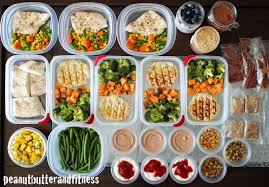
Portion awareness is also helpful when preparing meals in advance. Using appropriately sized containers can make meal planning more organized and help create balanced servings. Including vegetables, lean proteins, whole grains, and healthy fats can contribute to meals that are both satisfying and nourishing.
Meal preparation should fit individual lifestyles rather than follow strict rules. Some people prefer preparing entire meals in advance, while others focus on preparing ingredients that can be quickly assembled later. Both approaches can be effective. The best strategy is the one that feels realistic and sustainable over time.
Ultimately, nutritious meal preparation is about creating practical routines that support health and convenience. Busy schedules do not have to prevent adults from enjoying balanced, home-prepared meals. Through thoughtful planning, simple recipes, and a flexible mindset, healthy eating can become a natural part of everyday life.
By investing a little time in preparation today, adults can enjoy greater convenience, improved organization, and more consistent access to nutritious foods throughout the week. Meal prep does not require advanced cooking skills or complicated systems. Small, manageable steps can lead to lasting habits that support a healthier and more balanced lifestyle.