Maintaining healthy eating habits can become increasingly challenging during middle age. Career responsibilities, family commitments, social obligations, and personal goals often compete for attention, leaving little time for preparing nutritious meals every day. As a result, many people find themselves relying on convenience foods or skipping meals altogether. Fortunately, creating a sustainable meal prep routine can help busy middle-aged individuals save time, reduce stress, and support long-term wellness.
The key to successful meal preparation is sustainability. Rather than following complicated plans that become difficult to maintain, a practical routine should fit naturally into everyday life. A balanced approach makes it easier to stay consistent and enjoy the benefits of healthier eating without feeling overwhelmed.
One of the first steps in building a sustainable meal prep routine is setting realistic expectations. Many people make the mistake of preparing every meal for an entire week, only to discover that the process consumes too much time and energy. A more manageable strategy is to begin with a few meals each week. Preparing lunches for workdays or organizing several dinners in advance can significantly reduce daily cooking demands while still providing flexibility.
Planning meals ahead of time is another important habit. Taking a few minutes each week to decide what meals will be eaten can eliminate last-minute decision-making. A simple meal plan also helps create a focused grocery list, reducing unnecessary purchases and food waste. When meals are planned around familiar ingredients and favorite recipes, preparation becomes much more efficient.
Choosing simple recipes contributes greatly to long-term success. Busy individuals often benefit from meals that require minimal ingredients and straightforward cooking methods. Grilled chicken with vegetables, rice bowls, pasta dishes, soups, and salads can be prepared in larger batches and enjoyed throughout the week. Simplicity reduces preparation time while still providing satisfying and nutritious meals.
A dedicated grocery shopping routine can also support meal prep goals. Selecting one consistent day each week for shopping helps ensure that fresh ingredients are always available. Organized shopping saves time and minimizes the temptation to purchase less nutritious convenience foods. Some people find it helpful to categorize their shopping lists by sections of the store, making trips faster and more efficient.
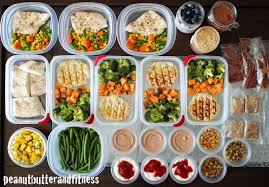
Batch cooking is one of the most effective meal prep techniques. Preparing larger portions of staple foods such as brown rice, roasted vegetables, lean proteins, or beans allows them to be used in multiple meals. For example, roasted vegetables can be added to salads, wraps, grain bowls, or dinner plates throughout the week. This approach creates variety without requiring extensive daily cooking.
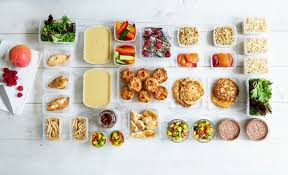
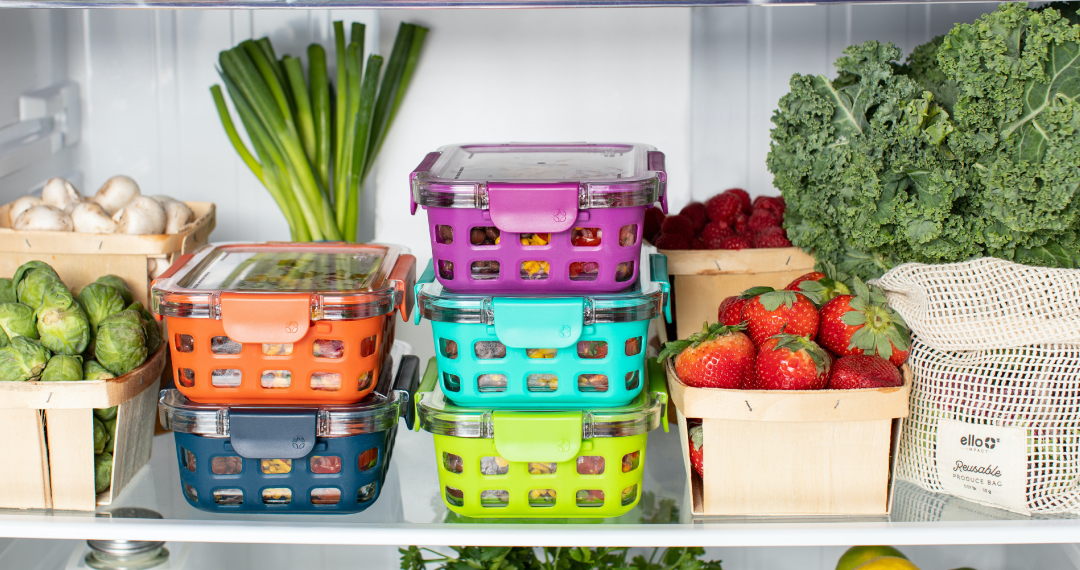
Proper food storage is equally important. Investing in durable, reusable containers helps keep prepared meals fresh and organized. Transparent containers make it easier to see what is available, reducing the likelihood that food will be forgotten and wasted. Labeling containers with preparation dates can further improve organization and food quality management.
Middle-aged adults often have specific nutritional considerations. Prioritizing balanced meals that include protein, fiber, healthy fats, and a variety of fruits and vegetables can support overall health and energy levels. Protein-rich foods may help maintain muscle mass, while fiber can contribute to digestive wellness and feelings of fullness. Including colorful produce adds important vitamins and minerals to daily meals.
Time-saving kitchen tools can make meal preparation more convenient. Slow cookers, pressure cookers, food processors, and sheet pans can reduce hands-on cooking time while producing delicious results. These tools allow busy individuals to prepare multiple servings with less effort, making healthy eating more accessible during demanding weeks.
Flexibility should remain a central part of any meal prep routine. Life is unpredictable, and schedules can change unexpectedly. A sustainable system allows room for adjustments without creating frustration. Keeping a few healthy frozen meals or pantry staples available can provide backup options when plans change. The goal is progress and consistency rather than perfection.
Another helpful strategy is preparing ingredients instead of complete meals. Washing vegetables, chopping produce, cooking grains, and portioning snacks can significantly reduce daily preparation time. This method provides greater meal variety while still delivering the convenience of advance preparation. It also allows individuals to customize meals according to changing preferences throughout the week.
Portion awareness can be naturally incorporated into meal prep routines. Pre-portioned meals and snacks make it easier to maintain balanced eating habits. Rather than relying on guesswork during busy moments, individuals can enjoy meals that have already been thoughtfully prepared. This approach may also help reduce overeating and unnecessary food waste.
Family involvement can make meal preparation more enjoyable and efficient. Sharing responsibilities such as grocery shopping, chopping ingredients, or organizing containers can reduce workload while creating opportunities for connection. Even small contributions from family members can streamline the process and encourage healthier eating habits throughout the household.
Consistency is often more valuable than intensity. A simple routine repeated regularly tends to produce better long-term results than an ambitious plan that becomes difficult to sustain. Setting aside a few hours each week for meal preparation can gradually become a habit that simplifies daily life and supports personal wellness goals.
Financial benefits are another advantage of meal prepping. Preparing meals at home is often more economical than frequent restaurant visits or takeout orders. Careful planning allows individuals to take advantage of sales, buy ingredients in appropriate quantities, and minimize food waste. Over time, these savings can become significant.
Meal prep can also reduce decision fatigue, a common challenge for busy adults. Making numerous choices throughout the day can become mentally exhausting. Having meals already prepared removes one daily responsibility and creates more mental space for work, family, hobbies, and personal priorities.
Most importantly, a sustainable meal prep routine should be enjoyable. Experimenting with new recipes, seasonal ingredients, and different flavor combinations can keep meals interesting. Small adjustments and gradual improvements help maintain motivation without creating unnecessary pressure.
Creating a sustainable meal prep routine is not about achieving perfection. It is about building practical habits that fit individual lifestyles and support healthier choices. By starting small, planning ahead, simplifying meals, and remaining flexible, busy middle-aged individuals can establish a routine that saves time, reduces stress, and promotes long-term well-being. With patience and consistency, meal preparation can become a valuable tool for maintaining a balanced and healthy lifestyle for years to come.