Maintaining healthy eating habits during middle age can feel challenging when daily responsibilities compete for time and attention. Many people in this stage of life are balancing careers, family commitments, social obligations, and personal goals. As schedules become increasingly busy, preparing nutritious meals may seem difficult. However, healthy meal planning does not have to be complicated or time-consuming. With practical strategies and a focus on convenience, middle-aged adults can enjoy balanced meals while simplifying their daily routines.
Meal planning is more than deciding what to eat for dinner. It is a thoughtful approach that helps individuals make informed food choices throughout the week. By planning ahead, people can reduce stress, save time, minimize food waste, and maintain a more consistent eating pattern. These benefits can contribute to a healthier lifestyle and make everyday nutrition easier to manage.
One of the most effective approaches to convenient meal planning is creating a flexible weekly menu. Instead of assigning a specific meal to every day, many people find success by selecting several meal options that can be prepared throughout the week. This method allows room for unexpected schedule changes while still supporting healthy choices. Having a list of prepared ideas eliminates the daily question of what to cook and helps prevent last-minute decisions that may not align with nutritional goals.
Another valuable strategy is focusing on simple meals that require minimal preparation. Healthy eating does not depend on elaborate recipes or complicated cooking techniques. Many nutritious meals can be created using a combination of lean proteins, whole grains, vegetables, and healthy fats. For example, a grilled chicken breast paired with brown rice and steamed vegetables offers a balanced and satisfying meal. Similarly, a vegetable-filled omelet or a salad topped with beans can provide nourishment without requiring extensive cooking time.
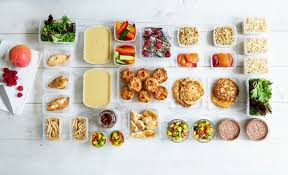
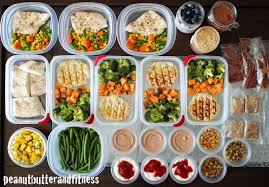
Batch cooking has become increasingly popular among individuals seeking convenience. Preparing larger portions of food once or twice per week can significantly reduce the effort needed on busy days. Soups, stews, roasted vegetables, grain dishes, and cooked proteins can be stored in containers and used for multiple meals. This approach helps ensure that healthy options are readily available when time is limited. It can also reduce the temptation to rely on less nutritious convenience foods.
Smart grocery shopping plays an important role in successful meal planning. Entering a grocery store with a prepared list helps shoppers stay focused and avoid unnecessary purchases. Organizing the shopping list according to food categories such as produce, proteins, dairy, and pantry items can make the process faster and more efficient. Purchasing versatile ingredients that can be used in multiple recipes also supports convenience. For instance, spinach can be added to salads, omelets, smoothies, and sandwiches throughout the week.
Keeping nutritious staples on hand is another practical habit. Stocking the kitchen with items such as canned beans, frozen vegetables, whole grains, nuts, seeds, and low-sodium soups can make meal preparation easier. These ingredients often have longer shelf lives and can be combined quickly to create balanced meals. Frozen fruits and vegetables are particularly useful because they offer convenience while helping reduce food waste.
Technology can also support healthier meal planning. Many mobile applications and online tools offer meal suggestions, shopping list features, and recipe organization. These resources can help users discover new meal ideas while simplifying planning and preparation. Some services even allow individuals to create customized plans based on personal preferences and dietary needs, making healthy eating more accessible for busy lifestyles.
Portion awareness is another important consideration for middle-aged adults. Meal planning provides an opportunity to think about serving sizes before meals are prepared. Using appropriately sized containers for meal storage can help maintain consistency and reduce overeating. Planning balanced portions of vegetables, proteins, and whole grains encourages a more satisfying and well-rounded eating experience.
Breakfast is often overlooked when discussing meal planning, yet it can set the tone for the day. Preparing breakfast options in advance can save valuable time during busy mornings. Overnight oats, yogurt with fruit, or pre-portioned smoothie ingredients are examples of convenient choices that require minimal effort. Having a nutritious breakfast readily available may help individuals feel more prepared and energized as they begin their day.
Healthy snacking can also benefit from thoughtful planning. Without preparation, snacks are often chosen based on convenience rather than nutritional value. Keeping healthy options available at home, work, or during travel can make a significant difference. Fresh fruit, unsalted nuts, yogurt, and whole-grain crackers are examples of snacks that can fit easily into a balanced eating routine. Preparing snack portions in advance may further improve convenience and support mindful eating habits.
Variety remains an essential component of long-term meal planning success. Repeating the same meals every day can eventually lead to boredom and decreased motivation. Rotating ingredients, experimenting with new flavors, and exploring different cuisines can keep meal plans enjoyable. Small changes such as trying a new vegetable, seasoning blend, or cooking method can create excitement without adding complexity.
Convenience does not necessarily mean preparing every meal from scratch. Healthy shortcuts can save time while still supporting balanced nutrition. Pre-washed salad greens, frozen vegetables, rotisserie chicken, and ready-to-cook whole grains can reduce preparation time significantly. Choosing products with simple ingredient lists and moderate levels of sodium and added sugars can help consumers make informed decisions while benefiting from convenience.
Family involvement can make meal planning more enjoyable and sustainable. Sharing responsibilities such as shopping, food preparation, or selecting recipes can reduce the workload for one individual. It also creates opportunities for family members to learn about healthy eating and contribute to household wellness. Collaborative meal planning often leads to greater variety and increased enthusiasm for home-prepared meals.
Consistency is often more valuable than perfection when developing healthy eating habits. Not every meal needs to be carefully planned, and occasional deviations are a normal part of life. The goal is to create a practical system that supports healthier choices most of the time. Small improvements made consistently over weeks and months can contribute to lasting lifestyle changes.
In conclusion, healthy meal planning for middle-aged adults does not have to be complicated. By focusing on flexibility, preparation, smart shopping, and convenient ingredients, individuals can create a sustainable approach that fits their busy lives. Thoughtful planning helps reduce stress, save time, and make nutritious choices more accessible. With realistic strategies and a commitment to consistency, healthy eating can become a manageable and rewarding part of everyday life.