Modern life often feels like a race against the clock. Between work responsibilities, family commitments, personal goals, and everyday errands, many adults struggle to find enough time to prepare nutritious meals. As schedules become more demanding, food preparation can easily become an afterthought, leading to skipped meals, frequent takeout orders, or unhealthy snacking habits. Fortunately, practical food preparation strategies can help busy adults maintain a balanced diet while reducing stress and saving valuable time.
One of the most effective ways to simplify meal preparation is to create a basic weekly plan. Meal planning does not require a complicated system or detailed spreadsheets. Simply deciding in advance what meals will be prepared during the week can eliminate daily decision fatigue. Taking a few minutes each weekend to outline breakfasts, lunches, dinners, and snacks helps ensure that ingredients are available when needed. This small investment of time often prevents last-minute food choices that may be less nutritious or more expensive.
Keeping a well-organized grocery list is another helpful habit. When shopping without a plan, it is easy to forget essential items or purchase products that may go unused. A grocery list based on planned meals helps streamline shopping trips and reduces food waste. Many people find it useful to organize their lists according to store sections, such as produce, dairy, proteins, and pantry staples. This approach saves time and makes the shopping experience more efficient.
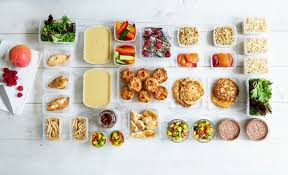
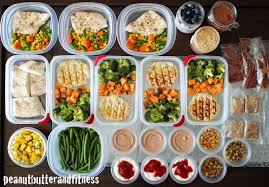
Batch cooking can significantly reduce the amount of time spent preparing meals throughout the week. Instead of cooking from scratch every day, busy adults can prepare larger quantities of food during a single cooking session. Grilled chicken, roasted vegetables, cooked grains, soups, and stews are examples of foods that store well and can be used in multiple meals. Preparing larger portions allows individuals to enjoy homemade meals without dedicating daily time to extensive cooking.
Proper food storage plays an important role in successful meal preparation. Clear containers make it easier to identify ingredients and leftovers quickly. Labeling containers with preparation dates can help maintain freshness and reduce waste. Organizing the refrigerator so frequently used items remain visible also encourages healthier eating habits. When nutritious foods are easy to find, they are more likely to be chosen during busy moments.
Stocking a pantry with versatile ingredients can make meal preparation more flexible. Staples such as brown rice, whole-grain pasta, canned beans, oats, nuts, and shelf-stable vegetables provide a strong foundation for many meals. Having these ingredients readily available allows individuals to create simple dishes even when fresh groceries are running low. A well-stocked pantry can help reduce reliance on convenience foods that may contain excessive amounts of sodium, sugar, or unhealthy fats.
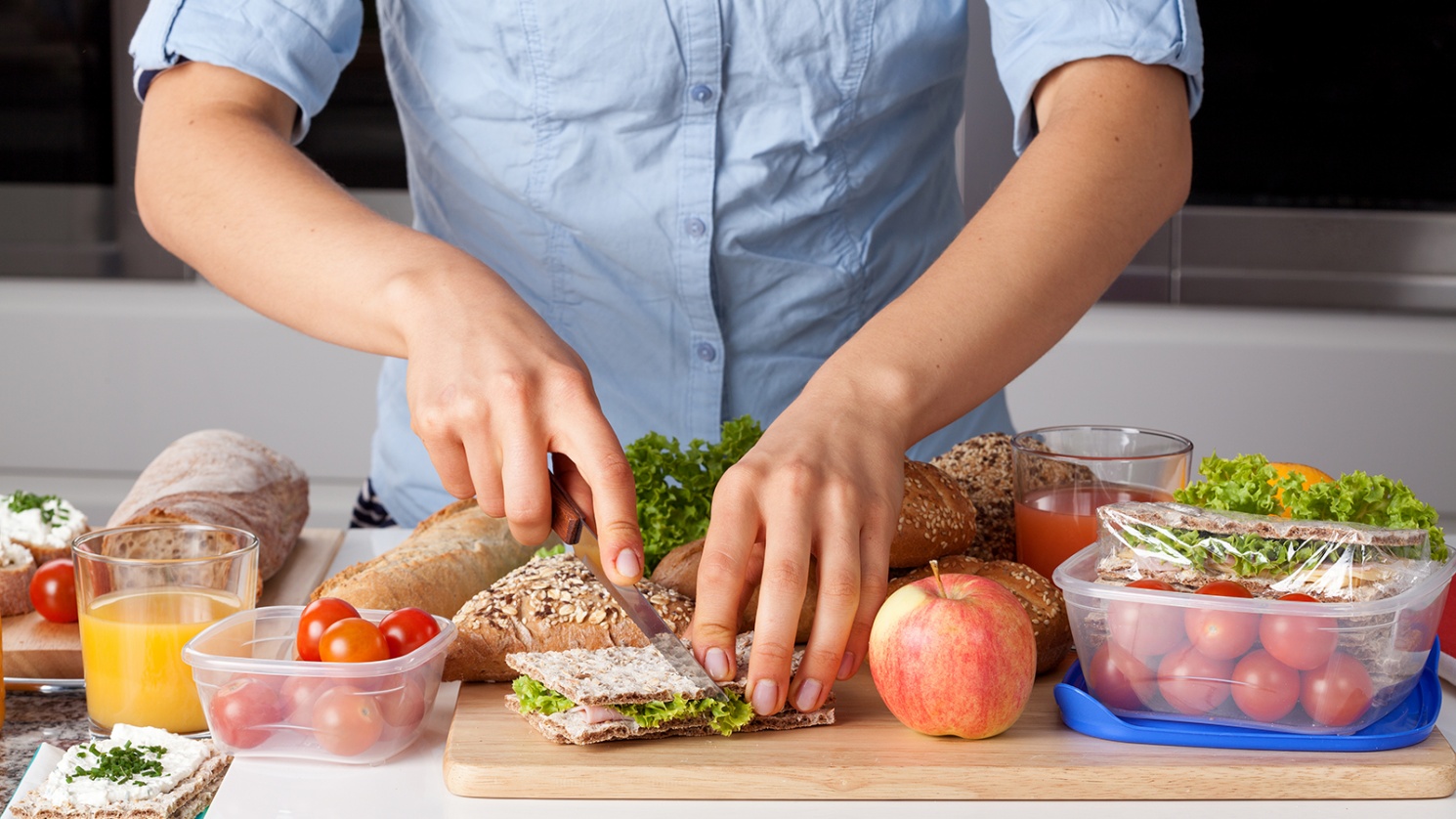
Preparing ingredients in advance is another time-saving strategy. Washing vegetables, chopping produce, portioning snacks, and marinating proteins ahead of time can simplify weekday cooking. When ingredients are ready to use, assembling a meal becomes much faster and less intimidating. Even dedicating thirty minutes to ingredient preparation can make a noticeable difference throughout the week.
Healthy snacks are especially important for adults with demanding schedules. Long workdays and busy routines can lead to hunger between meals, making convenient snack options valuable. Preparing snacks in advance can help prevent impulsive food choices. Fresh fruit, yogurt, nuts, seeds, and sliced vegetables are simple options that can be portioned into containers and stored for easy access. Having nutritious snacks available supports consistent energy levels and helps maintain focus during busy days.
Kitchen tools can also contribute to more efficient food preparation. Slow cookers, pressure cookers, air fryers, and food processors can reduce cooking time and simplify meal creation. While no appliance is necessary for healthy eating, selecting tools that match personal cooking preferences can make meal preparation more manageable. For example, a slow cooker allows ingredients to cook while individuals focus on other responsibilities, creating a convenient solution for busy evenings.
Flexibility is an essential part of maintaining a sustainable food preparation routine. Unexpected events, schedule changes, and busy periods can disrupt even the most organized plans. Instead of striving for perfection, it is helpful to focus on consistency. Having a few quick meal options available can provide a backup plan when time is limited. Simple meals made from readily available ingredients can still contribute to a balanced and satisfying diet.
Portion management can further improve meal preparation efficiency. Preparing individual portions in advance helps simplify lunch packing, supports mindful eating, and reduces the temptation to overeat. Portioning meals immediately after cooking can also save time later in the week. This approach is especially useful for individuals who bring meals to work or need convenient grab-and-go options.
Hydration should not be overlooked when discussing food preparation and healthy routines. Busy adults often become so focused on their responsibilities that they forget to drink enough water throughout the day. Keeping a reusable water bottle nearby can serve as a simple reminder to stay hydrated. Adequate hydration supports overall well-being and complements healthy eating habits.
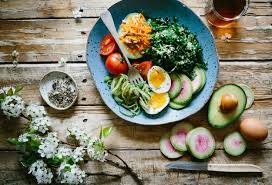
Another useful strategy involves embracing simple recipes. Meals do not need to be elaborate to be nutritious and enjoyable. Dishes with a limited number of ingredients are often easier to prepare and clean up afterward. Stir-fries, grain bowls, salads, wraps, and one-pot meals can provide variety without requiring extensive preparation. Focusing on simple combinations of lean proteins, whole grains, and vegetables can help create satisfying meals with minimal effort.
Involving family members or household partners in food preparation can also lighten the workload. Sharing responsibilities such as grocery shopping, washing produce, setting the table, or preparing ingredients can make the process more efficient. Collaborative meal preparation may also encourage healthier eating habits and create opportunities for meaningful interaction.
Developing sustainable food preparation habits takes time, but small changes can produce significant benefits. Rather than attempting a complete lifestyle overhaul, busy adults may find greater success by adopting one or two practical strategies at a time. Gradually building a routine allows healthy habits to become part of everyday life without creating unnecessary pressure.
In conclusion, food preparation does not have to be complicated or time-consuming to be effective. Through thoughtful planning, smart grocery shopping, batch cooking, organized storage, and simple meal choices, busy adults can make healthy eating more accessible despite demanding schedules. By focusing on practical solutions and realistic expectations, individuals can reduce mealtime stress, improve consistency, and support their overall well-being while managing the challenges of modern life.