Modern life often feels like a race against the clock. Between work responsibilities, family commitments, household tasks, and personal goals, finding time to prepare healthy meals can be challenging. Many adults want to enjoy nutritious food at home but struggle to fit cooking into an already packed schedule. Fortunately, time-friendly meal preparation strategies can make everyday cooking simpler, more efficient, and less stressful.
Meal preparation does not have to involve spending an entire day in the kitchen or following complicated recipes. Small adjustments to planning, shopping, and cooking habits can save valuable time throughout the week while helping households enjoy balanced meals more consistently.
One of the most effective ways to simplify meal preparation is to create a basic weekly meal plan. A simple plan reduces the daily question of what to cook and helps households avoid last-minute decisions. Planning meals for several days at a time allows families to shop more efficiently and ensures that ingredients are available when needed. The goal is not perfection but consistency. Even outlining a few dinners for the week can make a noticeable difference.
Keeping a well-organized kitchen also supports faster meal preparation. When frequently used ingredients, cookware, and utensils are easy to find, cooking becomes more efficient. Spending a few minutes each week organizing pantry shelves, refrigerator sections, and storage containers can help reduce unnecessary delays during meal preparation. An organized environment encourages smoother cooking routines and helps minimize food waste.
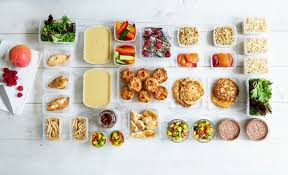
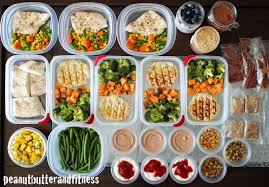
Batch cooking is another practical strategy for busy adults. Instead of preparing individual meals every day, larger portions can be cooked once and used in multiple ways throughout the week. For example, cooked rice, roasted vegetables, grilled chicken, or baked tofu can serve as the foundation for several different meals. These ingredients can be combined with various sauces, seasonings, and side dishes to create variety without requiring extensive cooking time each day.
Freezer-friendly meals can also be valuable for households with unpredictable schedules. Soups, casseroles, pasta dishes, and cooked proteins often freeze well and can be reheated when time is limited. Preparing extra portions during regular cooking sessions creates a convenient reserve of homemade meals for busy evenings. This approach helps reduce dependence on takeout while maintaining flexibility.
Choosing recipes with fewer ingredients can further streamline the cooking process. While elaborate recipes can be enjoyable on special occasions, simple meals are often more practical for everyday life. Dishes that use common ingredients and require minimal preparation are easier to incorporate into busy routines. Many nutritious meals can be prepared using a handful of fresh vegetables, a protein source, whole grains, and basic seasonings.
Another helpful technique involves preparing ingredients in advance rather than cooking entire meals. Washing vegetables, chopping produce, portioning snacks, and marinating proteins ahead of time can significantly reduce weekday cooking demands. These small preparation tasks can often be completed during a quieter part of the week and make meal assembly much faster when schedules become busy.
Slow cookers and other time-saving kitchen appliances can also support efficient meal preparation. Appliances that allow food to cook with minimal supervision help households manage multiple responsibilities throughout the day. Ingredients can often be prepared in the morning, allowing a meal to be ready by dinner time. This approach reduces active cooking time while still producing satisfying home-cooked meals.
For households with children or multiple family members, involving everyone in meal preparation can save time and encourage teamwork. Age-appropriate tasks such as washing vegetables, setting the table, organizing ingredients, or helping with simple food preparation can distribute responsibilities more evenly. Shared participation may also create opportunities for learning and family interaction.
Maintaining a collection of reliable quick meals can be especially useful during demanding periods. Having several go-to recipes that can be prepared in thirty minutes or less provides a practical solution for busy evenings. These meals do not need to be complex. Stir-fries, grain bowls, pasta dishes, wraps, and sheet-pan dinners are examples of options that often require minimal effort while offering balanced nutrition.
Smart grocery shopping plays a significant role in successful meal preparation. Shopping with a list helps reduce unnecessary purchases and ensures that essential ingredients are available. Some households benefit from online grocery ordering or scheduled delivery services, which can save travel time and simplify weekly planning. Selecting versatile ingredients that can be used across multiple meals also improves efficiency and reduces waste.
Another effective strategy is to embrace flexible meal structures rather than rigid recipes. Instead of preparing a completely different meal every night, households can use a consistent formula. For example, combining a protein source, vegetables, and a whole grain creates countless meal possibilities. This method simplifies planning while allowing room for creativity and personal preferences.
Proper food storage is equally important. Clear containers, labels, and organized refrigerator spaces make it easier to identify prepared ingredients and leftovers. When food is visible and accessible, it is more likely to be used before it spoils. Good storage habits contribute to both time savings and better household food management.
Busy adults should also remember that convenience and nutrition can work together. Pre-washed salad greens, frozen vegetables, canned beans, and ready-to-cook whole grains can help reduce preparation time without sacrificing quality. These products can serve as valuable tools for creating balanced meals when schedules are especially demanding.
It is important to approach meal preparation with realistic expectations. Not every meal needs to be perfect, and occasional shortcuts are often part of a sustainable routine. The primary goal is to make healthy eating more manageable within the context of everyday life. Consistent small efforts often provide greater long-term benefits than attempting highly ambitious meal plans that are difficult to maintain.
Time-friendly meal preparation ultimately focuses on reducing stress while supporting household well-being. Through thoughtful planning, efficient cooking methods, strategic ingredient preparation, and practical organization, adults can create a system that fits their unique schedules. By simplifying the cooking process, households gain more opportunities to enjoy nutritious meals together while freeing up time for other important aspects of daily life.
As modern schedules continue to evolve, flexible meal preparation strategies remain a valuable resource. With a few practical adjustments, even the busiest households can build routines that make home cooking more accessible, enjoyable, and sustainable. The result is a healthier and more efficient approach to everyday meals that supports both individual wellness and family life.