Maintaining good health during middle age often involves paying closer attention to daily habits, especially nutrition. As people move through their forties, fifties, and beyond, their bodies may respond differently to food choices, activity levels, and lifestyle routines. One practical way to support overall wellness is through balanced meal preparation. Meal prep can simplify healthy eating, reduce daily stress, and make it easier to enjoy nourishing foods throughout the week.
Balanced meal prep does not require complicated recipes or expensive ingredients. Instead, it focuses on planning meals that provide a variety of nutrients while fitting comfortably into a person’s schedule and preferences. With a thoughtful approach, meal preparation can become a valuable tool for supporting energy, convenience, and long-term wellness.
Understanding the Importance of Balance
A balanced meal typically includes a combination of lean proteins, whole grains, healthy fats, fruits, and vegetables. Each food group contributes important nutrients that help the body function efficiently. Protein supports muscle maintenance, whole grains provide lasting energy, healthy fats contribute to overall nutrition, and fruits and vegetables supply vitamins, minerals, and fiber.
Middle-aged adults often benefit from paying attention to balance because nutritional needs may evolve over time. Creating meals that include a variety of food groups can help support daily activities and encourage consistent healthy eating habits.
Planning Ahead for Success
One of the most effective meal prep strategies is planning ahead. Setting aside time once a week to outline meals can reduce last-minute decisions and help maintain a consistent eating routine.
Start by selecting a few breakfast, lunch, dinner, and snack options for the upcoming week. Simplicity is often the key to success. Preparing several meals that use similar ingredients can save time and reduce food waste.
For example, roasted vegetables prepared on the weekend can be used in grain bowls, salads, wraps, or side dishes throughout the week. Similarly, cooked proteins such as chicken, fish, tofu, or beans can be incorporated into multiple meals.
A written shopping list can also make grocery trips more efficient and help ensure that nutritious ingredients are readily available at home.
Building Meals Around Nutrient-Dense Foods
Nutrient-dense foods provide substantial nutritional value relative to their calorie content. Including these foods in meal prep plans can help create satisfying and wholesome meals.
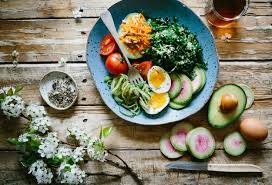
Colorful vegetables are an excellent foundation for many dishes. Leafy greens, bell peppers, carrots, broccoli, tomatoes, and cucumbers can add flavor, texture, and variety. Fruits such as berries, apples, oranges, and bananas make convenient additions to breakfasts and snacks.
Whole grains like brown rice, quinoa, oats, and whole-grain pasta provide steady energy and pair well with many proteins and vegetables. Healthy fats from foods such as avocados, nuts, seeds, and olive oil can contribute to meal satisfaction and flavor.
The goal is not perfection but consistency. Small improvements in food choices can make a meaningful difference over time.
Making Breakfast Easier
Many people find mornings busy, which can make breakfast preparation challenging. Preparing breakfast items in advance can help establish a positive start to the day.
Overnight oats, yogurt parfaits, fruit portions, and egg-based dishes can often be prepared ahead of time. Having ready-to-eat options available may reduce reliance on less nutritious convenience foods.
A balanced breakfast that combines protein, fiber, and healthy fats can help promote satisfaction and provide steady energy throughout the morning.
Preparing Convenient Lunches
Lunch often presents challenges for busy professionals and caregivers. Meal-prepped lunches can help maintain healthy eating habits even on demanding days.
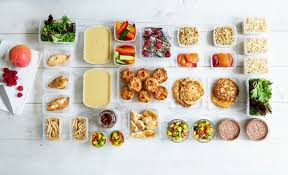
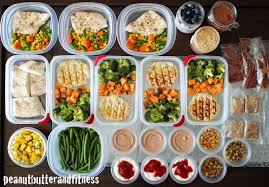
Container-friendly meals such as grain bowls, salads, soups, and wraps are practical choices. Including a protein source, vegetables, and a whole grain can create a well-rounded meal.
Batch cooking is particularly useful for lunches. Preparing several servings at once can reduce daily cooking demands and help ensure nutritious meals are always available.
Rotating ingredients and seasonings can also keep meals interesting while maintaining efficiency.
Creating Balanced Dinners
Dinner is an opportunity to bring together the components prepared earlier in the week. Having ingredients ready can significantly reduce cooking time and make evening meals less stressful.
A simple formula for dinner includes a protein source, vegetables, and a whole grain or other complex carbohydrate. For example, grilled fish with roasted vegetables and brown rice creates a balanced and satisfying meal.
Preparing ingredients in advance rather than complete meals can offer flexibility. This approach allows different combinations throughout the week without requiring extensive daily cooking.
Portion Awareness Without Restriction
Meal prep can support portion awareness while still allowing enjoyment and flexibility. Using appropriately sized containers may help create balanced meals without the need for strict rules.
Listening to hunger and fullness cues remains important. The purpose of meal preparation is to encourage consistency and convenience, not to create unnecessary limitations.
Enjoying favorite foods in moderation can be part of a balanced lifestyle. Sustainable habits are often easier to maintain than highly restrictive approaches.
Smart Snack Preparation
Healthy snacks can complement balanced meals and help maintain energy between eating occasions. Preparing snacks in advance can reduce impulse purchases and make nutritious choices more accessible.
Fresh fruit, sliced vegetables, yogurt, nuts, seeds, and whole-grain crackers are examples of convenient snack options. Portioning snacks into individual containers can make them easy to grab when needed.
Choosing snacks that include both protein and fiber may help increase satisfaction and support balanced eating habits.
Staying Flexible and Realistic
One common misconception about meal prep is that every meal must be planned perfectly. In reality, flexibility is often one of the most important factors for long-term success.
Unexpected schedule changes, social events, and personal preferences can all influence eating patterns. Building flexibility into meal prep routines helps prevent frustration and supports a more sustainable approach.
Keeping a few versatile ingredients on hand can make adjustments easier. Frozen vegetables, canned beans, whole grains, and simple proteins can quickly become part of a balanced meal when plans change.
Developing Long-Term Healthy Habits
Meal preparation is not simply about organizing food for the week. It is also an opportunity to develop habits that support overall wellness. Consistent planning, thoughtful food choices, and practical routines can contribute to a healthier lifestyle over time.
Middle-aged adults often juggle multiple responsibilities, making convenience especially valuable. By preparing balanced meals ahead of time, it becomes easier to make nutritious choices even during busy periods.
The most effective meal prep strategy is one that fits comfortably into daily life. Whether preparing a few ingredients or an entire week’s worth of meals, every step toward organization can support healthier eating habits.
Conclusion
Balanced meal prep offers a practical and sustainable way for middle-aged individuals to support everyday wellness. By focusing on variety, nutrient-rich foods, simple planning, and realistic routines, healthy eating can become more manageable and enjoyable. Small, consistent efforts often produce meaningful results, helping people feel prepared, organized, and confident in their daily nutrition choices. With a flexible approach and a commitment to balance, meal preparation can become a valuable part of a healthy lifestyle.