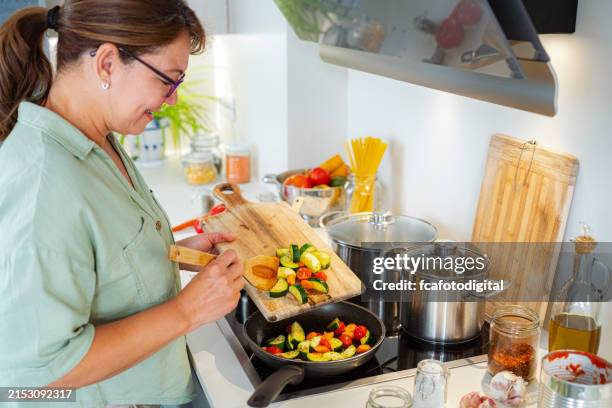
Modern life often feels like a race against the clock. Between work responsibilities, family commitments, social activities, and personal goals, many adults struggle to find enough time to prepare balanced meals every day. As schedules become increasingly demanding, the temptation to rely on fast food, takeout, or highly processed convenience foods can grow. Fortunately, make-ahead meals offer a practical solution that supports both time management and healthy eating habits.
Easy make-ahead meals are designed to be prepared in advance and enjoyed throughout the week. They reduce daily cooking stress, help maintain consistent nutrition, and make it easier to avoid last-minute food choices that may not align with wellness goals. With a little planning, busy adults can enjoy delicious, satisfying meals without spending hours in the kitchen every day.
One of the biggest advantages of make-ahead meals is convenience. Preparing meals in advance eliminates the need to decide what to eat when time is limited. Instead of scrambling to prepare dinner after a long day, individuals can simply reheat a ready-made meal and enjoy a balanced dish within minutes. This approach saves valuable time while helping establish a more organized routine.
Nutrition is another important benefit. When meals are planned ahead, it becomes easier to include a variety of wholesome ingredients. Lean proteins, whole grains, vegetables, fruits, and healthy fats can be incorporated into recipes in appropriate portions. This level of preparation encourages mindful eating and helps individuals maintain a balanced diet even during busy periods.
A great starting point for make-ahead meal planning is choosing versatile ingredients. Foods such as brown rice, quinoa, roasted vegetables, beans, chicken, eggs, and leafy greens can be prepared in larger quantities and used in multiple meals. For example, cooked quinoa can serve as a base for lunch bowls, dinner dishes, or side salads throughout the week. This flexibility reduces waste while maximizing efficiency.
Breakfast is often the most rushed meal of the day, making it an ideal candidate for advance preparation. Overnight oats are a simple option that can be assembled in minutes and stored in the refrigerator. Combining oats with milk or a dairy-free alternative, along with fruit and nuts, creates a nutritious breakfast that is ready to enjoy in the morning. Egg-based breakfast casseroles are another excellent choice. They can be baked ahead of time, sliced into portions, and reheated as needed.
Lunch preparation can also become much easier with make-ahead strategies. Grain bowls are particularly popular because they are customizable and easy to store. A combination of cooked grains, vegetables, protein sources, and flavorful dressings creates a satisfying meal that travels well. Mason jar salads are another practical option. Layering ingredients carefully helps maintain freshness while allowing for quick assembly when it is time to eat.
For dinner, soups and stews are among the most reliable make-ahead meals. These dishes often taste even better after the flavors have had time to develop. Vegetable soup, lentil stew, and chicken soup can be prepared in large batches and stored in individual containers. They freeze well and provide comforting, nutrient-rich meals on busy evenings.
Casseroles are another effective solution for advance meal preparation. They can be assembled ahead of time and either refrigerated or frozen until needed. Dishes that include vegetables, lean proteins, and whole grains offer balanced nutrition while remaining easy to serve. Because casseroles are typically prepared in one dish, cleanup is often simpler compared to cooking multiple components separately.
Sheet pan meals have gained popularity due to their simplicity and efficiency. By roasting vegetables and proteins together on a single baking sheet, individuals can create complete meals with minimal effort. These meals can be divided into containers for several days of lunches or dinners. The variety of ingredient combinations ensures that meal planning remains interesting and enjoyable.
Snacks should not be overlooked when discussing practical nutrition solutions. Preparing healthy snacks in advance can help prevent impulsive food choices during busy days. Fresh fruit, cut vegetables, yogurt, nuts, and homemade trail mixes can be portioned ahead of time for convenient access. Having nutritious snacks readily available supports energy levels and helps reduce reliance on less balanced alternatives.
Storage plays an important role in successful meal preparation. Investing in quality food containers helps preserve freshness and simplifies organization. Clear containers make it easy to identify meals at a glance, while portion-controlled containers can support consistency and reduce food waste. Labeling containers with preparation dates can also help ensure food is consumed within recommended time frames.
Variety is essential for maintaining long-term interest in make-ahead meals. Repeating the same dishes every week may lead to boredom and reduce motivation. Rotating recipes, experimenting with different seasonings, and incorporating seasonal produce can keep meals enjoyable. Even small changes in ingredients or flavors can create a sense of freshness while maintaining the convenience of advance preparation.
Budget-conscious adults may find that make-ahead meals provide financial benefits as well. Planning meals ahead often leads to more intentional grocery shopping and fewer impulse purchases. Buying ingredients in larger quantities can sometimes reduce costs, and preparing meals at home may be more economical than frequent restaurant visits. Over time, these savings can become significant.
Meal preparation does not need to be an all-day event. Even dedicating one or two hours each week can make a noticeable difference. Some individuals prefer preparing complete meals, while others focus on ingredient preparation. Chopping vegetables, cooking grains, and preparing proteins in advance can significantly reduce cooking time during the week.
The key to successful make-ahead meal planning is finding a system that fits individual lifestyles and preferences. There is no single approach that works for everyone. Some people enjoy detailed meal plans, while others prefer a more flexible strategy. The goal is to create a routine that reduces stress, supports nutritional needs, and fits comfortably within daily schedules.
Easy make-ahead meals offer a practical and sustainable way for busy adults to maintain healthy eating habits. By investing a small amount of time in preparation, individuals can enjoy convenient, balanced meals throughout the week. This approach supports better organization, encourages nutritious food choices, and helps simplify daily life. As more adults seek realistic solutions for managing demanding schedules, make-ahead meals continue to prove that healthy eating can be both accessible and achievable.