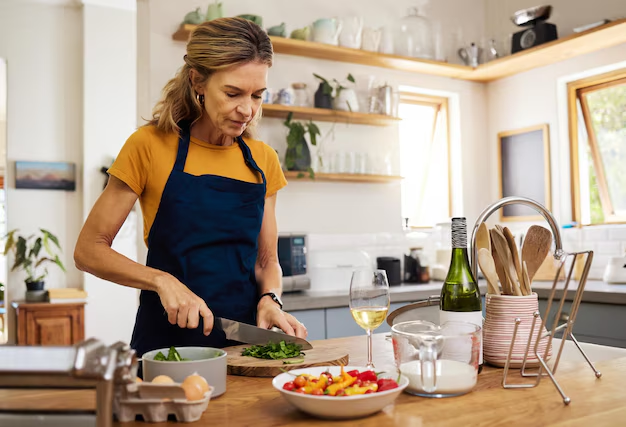
Finding time to eat well can feel challenging during middle age. Between work responsibilities, family commitments, social activities, and personal goals, many people struggle to maintain healthy eating habits throughout the week. Fortunately, meal preparation offers a practical solution that can simplify daily routines, reduce stress, and support long-term wellness.
Meal prep is the practice of planning and preparing meals in advance. Instead of deciding what to eat several times each day, you spend a little time organizing ingredients and meals ahead of schedule. This approach helps busy individuals stay consistent with healthy choices while saving valuable time.
One of the biggest advantages of meal preparation is convenience. After a long day, it can be tempting to choose fast food or highly processed meals because they require little effort. Having nutritious meals ready in the refrigerator makes healthy eating much easier. When a balanced meal is already prepared, there is less need to make last-minute decisions that may not align with wellness goals.
Meal prep also supports better portion control. As people move through middle age, maintaining a healthy weight often becomes more important. Preparing meals in advance allows you to create balanced portions that include vegetables, lean proteins, whole grains, and healthy fats. This simple habit can help prevent overeating and encourage a more mindful relationship with food.
Another benefit is financial savings. Purchasing ingredients with a weekly plan in mind often reduces unnecessary spending. Many households discover they waste less food when meals are organized ahead of time. Ingredients are used more efficiently, and fewer items are forgotten in the back of the refrigerator. Over time, these small savings can make a noticeable difference.
Getting started with meal prep does not require advanced cooking skills or expensive equipment. The process can begin with a simple weekly plan. Choose a day that fits your schedule, such as Saturday or Sunday, and dedicate an hour or two to preparing meals for the coming week. Even a small amount of preparation can make daily routines smoother and more manageable.
The first step is creating a menu. Consider meals that are easy to prepare and enjoyable to eat. Variety is important because it helps prevent boredom and keeps healthy eating interesting. Think about breakfast, lunch, dinner, and snacks. Select foods that provide a balance of nutrients while fitting your personal preferences.
Breakfast options can be especially helpful to prepare in advance. Overnight oats, yogurt with fruit, and egg-based dishes are popular choices because they are simple, filling, and easy to store. Starting the day with a nutritious breakfast can support energy levels and improve focus throughout the morning.
For lunch, consider meals that travel well and remain fresh for several days. Grain bowls, salads with protein, vegetable soups, and whole-grain wraps can all be prepared ahead of time. Storing lunches in individual containers makes them easy to grab before leaving home.
Dinner preparation can be equally simple. Roasted vegetables, grilled chicken, baked fish, brown rice, and bean-based dishes can be cooked in batches and portioned for multiple meals. By preparing core ingredients in advance, you can mix and match combinations throughout the week without feeling like you are eating the same meal every day.
Healthy snacks are another valuable part of a meal prep routine. Fresh fruit, sliced vegetables, nuts, seeds, and yogurt can help satisfy hunger between meals. Keeping nutritious snacks available makes it easier to avoid less balanced alternatives when busy schedules create unexpected hunger.
Organization plays a major role in successful meal preparation. Clear storage containers can help keep food fresh and visible. Labeling containers with dates may also make it easier to track freshness and reduce waste. A well-organized refrigerator allows you to quickly locate meals and ingredients during busy weekdays.
Many people worry that meal prep will take too much time. In reality, it often saves time overall. Spending a few hours preparing food for several days can eliminate daily cooking sessions and reduce trips to the grocery store. The result is a more efficient routine that frees up time for family, hobbies, exercise, or relaxation.
Flexibility is another important factor. Meal prep does not have to be an all-or-nothing activity. Some individuals prepare every meal for the week, while others focus only on lunches or dinners. The best approach is the one that fits comfortably into your lifestyle. Consistency is more valuable than perfection.
Middle age is often a period when people become more focused on long-term health and well-being. Establishing healthy eating habits during this stage of life can contribute to greater energy, improved productivity, and a stronger sense of balance. Meal preparation supports these goals by making nutritious choices more accessible and convenient.
It is also helpful to involve family members when possible. Preparing meals together can turn a routine task into a positive shared activity. Family participation may encourage healthier eating habits for everyone in the household while reducing the workload for a single person.
Seasonal ingredients can add freshness and variety to meal plans. Fruits and vegetables that are in season often offer excellent flavor and value. Rotating ingredients throughout the year helps keep meals interesting and introduces new nutritional benefits.
One common mistake is making meal prep too complicated. The most sustainable routines are often the simplest. Focus on a few reliable recipes and gradually expand your options over time. There is no need to prepare gourmet meals every week. Nutritious, balanced, and easy-to-make dishes are often the most practical choice.
Another useful strategy is keeping a list of favorite meals. When planning becomes difficult, this list can provide inspiration and make decision-making easier. Over time, you will build a collection of dependable recipes that suit your schedule and preferences.
Meal prep is not just about food. It is a tool for creating a healthier daily routine. By reducing decision fatigue, supporting balanced nutrition, and simplifying busy schedules, meal preparation can help middle-aged adults feel more organized and in control of their well-being.
The journey toward healthier habits does not require dramatic changes. Small, consistent actions often produce the most lasting results. Setting aside time each week to plan and prepare meals can become a powerful habit that supports both physical health and everyday convenience. With a practical approach and realistic expectations, meal prep can transform healthy eating from a challenge into a sustainable part of daily life.