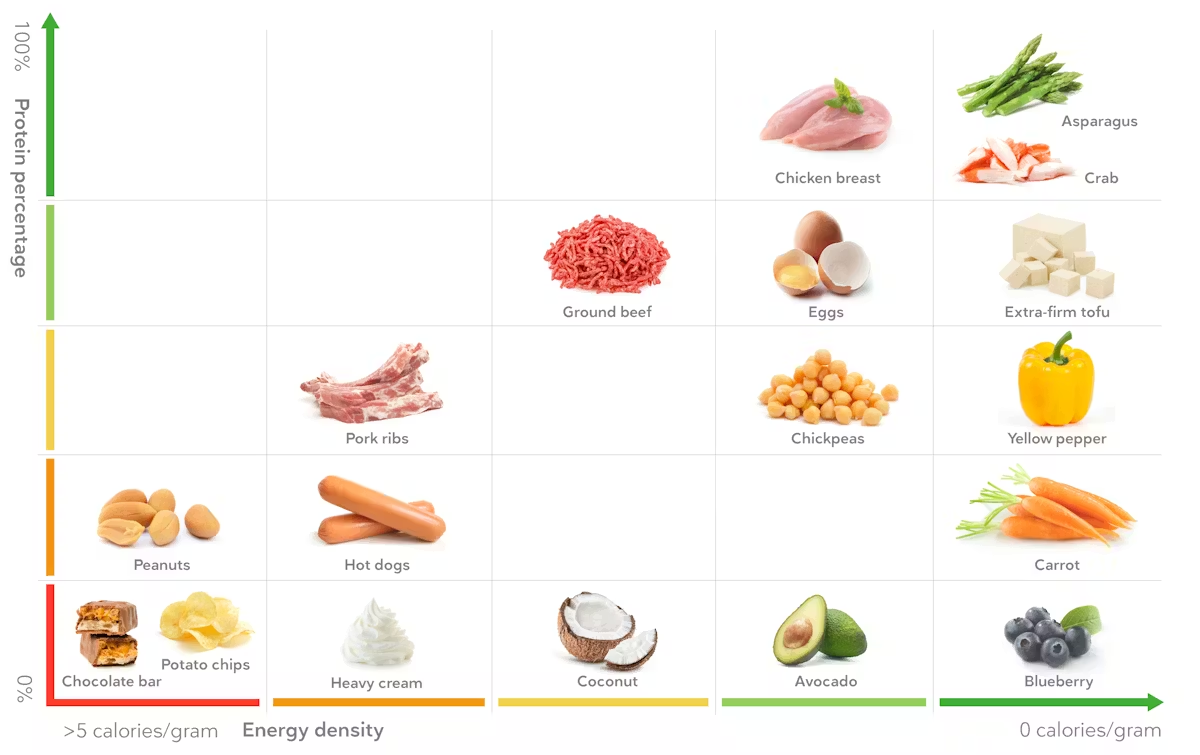
1. Leafy Green Vegetables
Leafy greens such as spinach, kale, and lettuce are low in calories but high in nutrients like fiber, vitamins, and minerals.
They can help:
- Increase fullness without adding many calories
- Support digestion due to fiber content
- Provide essential nutrients for overall health
Adding a side salad or mixing greens into meals is a simple way to improve diet quality.
2. Whole Eggs
Eggs are rich in protein and contain important nutrients such as choline and vitamin D.
Research suggests that:
- Protein-rich breakfasts may help reduce hunger later in the day
- Eggs can support muscle maintenance when paired with a balanced diet
Cooking methods like boiling or poaching can help keep them part of a healthy routine.
3. Lean Proteins (Chicken, Fish, Tofu)
Protein plays a key role in satiety (feeling full). Lean protein sources include:
- Chicken breast
- Fish like salmon or tuna
- Plant-based options like tofu and legumes
Benefits include:
- Helping reduce overall calorie intake
- Supporting muscle maintenance during weight management
4. Whole Grains
Whole grains such as oats, brown rice, and quinoa contain more fiber than refined grains.
They may:
- Help regulate appetite
- Provide steady energy levels
- Support digestive health
Try replacing refined grains with whole-grain alternatives for better nutritional value.
5. Fruits (Especially Berries and Apples)
Fruits are naturally sweet and high in fiber and water content.
Good options include:
- Berries (strawberries, blueberries)
- Apples
- Oranges
They can:
- Help satisfy sweet cravings
- Contribute to fullness
- Provide antioxidants and vitamins
6. Nuts and Seeds
Nuts and seeds (like almonds, walnuts, chia seeds) are nutrient-dense and contain healthy fats.
When eaten in moderation, they may:
- Support satiety
- Provide essential fatty acids
- Help reduce snacking on less nutritious foods
Portion control is important due to their calorie density.
7. Greek Yogurt
Greek yogurt is higher in protein compared to regular yogurt and can be a satisfying snack.
It may:
- Help maintain fullness between meals
- Support gut health (especially if it contains probiotics)
Choose options with little or no added sugar.
8. Legumes (Beans and Lentils)
Beans, lentils, and chickpeas are rich in both protein and fiber.
They can:
- Support fullness
- Help stabilize blood sugar levels
- Serve as a plant-based protein option
They’re also versatile and budget-friendly.
9. Avocados
Avocados contain healthy monounsaturated fats and fiber.
They may:
- Promote satiety when added to meals
- Support heart health
Because they are calorie-dense, moderate portions are recommended.
10. Water and Hydrating Foods
While not a food group, hydration plays a key role in weight management.
Water-rich foods like:
- Cucumbers
- Watermelon
- Soups
can help you feel full while contributing to hydration.