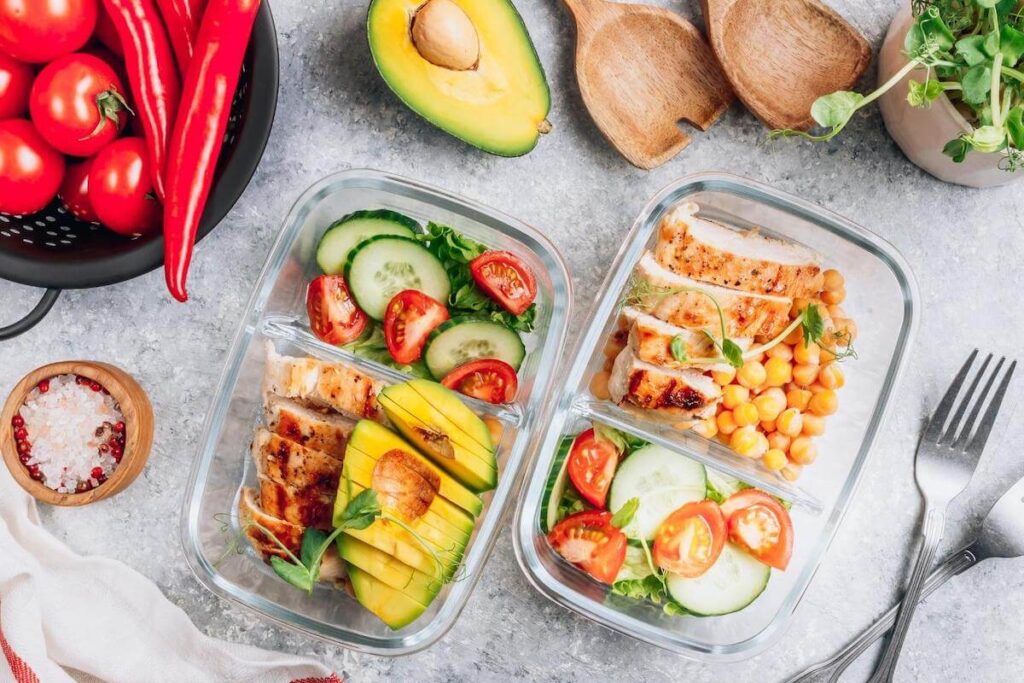
Finding practical ways to eat well can become increasingly important during middle age. Busy work schedules, family responsibilities, social commitments, and personal goals often leave little time for preparing meals from scratch every day. Fortunately, meal preparation does not have to be complicated or time-consuming. With a thoughtful approach, it is possible to create convenient, balanced meals that support an active lifestyle while reducing daily stress.
Meal prep is not about following strict diets or spending an entire weekend cooking. Instead, it is a flexible strategy that helps people save time, reduce food waste, and make everyday eating more manageable. By preparing ingredients or meals in advance, middle-aged adults can enjoy nutritious options throughout the week without feeling overwhelmed.
One of the most effective ways to begin meal prepping is by focusing on simplicity. Rather than planning elaborate recipes, it can be helpful to choose a small selection of versatile ingredients that can be used in multiple meals. Cooked grains such as brown rice, quinoa, or whole-grain pasta can serve as the foundation for lunches and dinners. Lean proteins like chicken, fish, beans, tofu, or eggs can be prepared ahead of time and combined with different vegetables and seasonings to create variety.
Convenience often starts with smart planning. Setting aside a short period once or twice a week to organize meals can make daily decision-making much easier. Reviewing the upcoming schedule allows individuals to identify busy days when quick meals will be most helpful. Preparing ingredients in advance, such as washing vegetables, portioning snacks, or cooking a batch of soup, can significantly reduce cooking time during the week.
Balanced meals generally include a combination of protein, complex carbohydrates, healthy fats, and colorful vegetables. This approach can help promote satisfaction and provide steady energy throughout the day. For example, a meal featuring grilled chicken, roasted vegetables, and brown rice offers a practical combination of nutrients while remaining easy to prepare and store. Similarly, a bean and vegetable salad with olive oil dressing can provide a refreshing option for lunch.
Breakfast is often one of the most rushed meals of the day. Preparing breakfast ahead of time can support consistency and reduce morning stress. Overnight oats, yogurt with fruit, or egg-based breakfast muffins can be made in advance and stored in the refrigerator. These options require minimal effort during busy mornings while still offering a balanced start to the day.
Lunch preparation can also benefit from a simple strategy. Many people find success by preparing a few portions of a favorite meal and storing them in individual containers. Grain bowls, salads, and hearty soups are popular choices because they travel well and can be customized with different ingredients. By keeping lunches ready to go, it becomes easier to avoid last-minute food choices that may not align with personal wellness goals.
Dinner often presents the greatest challenge after a long day. However, a collection of easy meal combinations can make evenings more manageable. Sheet-pan meals, slow-cooker recipes, and one-pot dishes are especially useful because they minimize cleanup while delivering satisfying results. Roasted vegetables paired with baked fish, vegetable stir-fries served with rice, or hearty lentil soups are examples of meals that can be prepared with relatively little effort.
Snacking can play an important role in maintaining energy between meals. Preparing convenient snack options ahead of time helps support better choices during busy moments. Fresh fruit, sliced vegetables, nuts, yogurt, and whole-grain crackers can be portioned into containers for quick access. Having these items readily available may reduce reliance on highly processed convenience foods.
Variety is another important aspect of successful meal preparation. Eating the same foods every day can become repetitive and decrease motivation. Small changes in seasonings, sauces, vegetables, or protein sources can create new flavor experiences without requiring entirely different recipes. A simple grilled chicken dish can take on different personalities when paired with herbs, citrus flavors, or mild spice blends.
Seasonal ingredients can also provide inspiration throughout the year. Fresh produce often offers excellent flavor and can encourage creative meal combinations. During warmer months, salads and chilled grain bowls may feel refreshing, while cooler seasons may inspire soups, stews, and roasted vegetables. Adapting meals to the season can help keep meal prep enjoyable and sustainable.
Portion awareness is another useful consideration for balanced eating. Preparing meals in advance allows individuals to create consistent portions that fit their personal needs and preferences. Rather than relying on guesswork during busy days, pre-portioned meals can contribute to a more organized eating routine. The goal is not strict control but rather a practical framework that supports balance.
Hydration should not be overlooked when discussing everyday wellness. Keeping water accessible throughout the day can complement healthy meal habits. Some individuals enjoy adding slices of lemon, cucumber, or fresh herbs to water for variety. Establishing simple hydration habits alongside meal preparation can support overall daily routines.
Meal prep can also contribute to financial savings. Planning meals in advance often reduces impulse purchases and helps ensure that ingredients are used efficiently. Buying staple foods in appropriate quantities and creating meals around existing ingredients may help minimize food waste while simplifying grocery shopping.
Flexibility remains one of the most valuable principles of meal preparation. Life is unpredictable, and not every week will go according to plan. A successful meal prep routine should adapt to changing schedules and priorities. Some weeks may involve preparing several meals, while others may focus only on a few key ingredients. Even small steps can provide meaningful benefits.
Technology can make meal planning easier as well. Digital grocery lists, recipe collections, and calendar reminders can help streamline the process. Many people find that maintaining a simple list of favorite meal ideas eliminates the challenge of deciding what to cook each week. Over time, these habits can create a reliable system that reduces stress and increases confidence in the kitchen.
Ultimately, meal prep is about creating a practical approach that fits individual lifestyles. Middle-aged adults often juggle multiple responsibilities, making convenience and balance especially valuable. By focusing on simple ingredients, thoughtful planning, and flexible routines, it becomes possible to enjoy satisfying meals without spending excessive time in the kitchen.
Everyday meal preparation does not require perfection. Small, consistent actions can make a significant difference over time. Whether preparing a few breakfasts in advance, cooking extra portions for lunch, or organizing ingredients for quick dinners, each effort contributes to a smoother and more enjoyable weekly routine. With a balanced and realistic approach, meal prep can become a helpful tool for supporting convenience, variety, and overall well-being in everyday life.