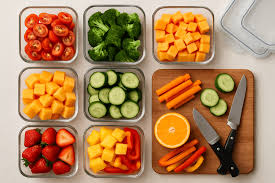
In today’s fast-paced world, many adults find themselves juggling work responsibilities, family commitments, social activities, and personal goals. With so many demands competing for attention, preparing healthy meals every day can feel overwhelming. This is where smart meal prep choices can make a significant difference. By investing a little time in planning and preparation, adults can simplify their daily eating routine, reduce stress, save money, and maintain a balanced diet.
Meal preparation does not have to involve complicated recipes or spending entire weekends in the kitchen. Instead, it focuses on creating a practical system that makes healthy eating easier throughout the week. Whether someone lives alone, shares a household with family members, or works long hours, meal prep can be adapted to fit almost any lifestyle.
One of the biggest advantages of meal preparation is the reduction of daily decision-making. Many people experience decision fatigue after a busy day, making it tempting to choose convenience foods or takeout meals. Having prepared meals and ingredients readily available eliminates much of this stress. Instead of wondering what to cook, individuals can simply reach for a prepared option and enjoy a nutritious meal with minimal effort.
A successful meal prep routine often begins with planning. Taking a few minutes each week to decide on meals can prevent last-minute food choices that may not align with personal health goals. Planning also helps create a focused grocery list, reducing impulse purchases and minimizing food waste. When shoppers know exactly what ingredients they need, they are more likely to stay within their budget while ensuring their kitchen remains stocked with useful items.
Choosing versatile ingredients is another smart strategy. Foods that can be used in multiple meals offer both convenience and variety. For example, cooked chicken, roasted vegetables, brown rice, and leafy greens can be combined in different ways throughout the week. A single batch of ingredients can become a salad, grain bowl, wrap, or stir-fry, helping prevent meal boredom while saving preparation time.
Batch cooking is a popular meal prep technique that can simplify daily eating routines. This method involves preparing larger portions of food at one time and storing them for future meals. Soups, stews, casseroles, grains, and protein sources are particularly well suited for batch cooking. By dedicating a few hours to cooking once or twice a week, adults can significantly reduce the amount of time spent preparing meals on busy days.
Proper food storage plays an important role in successful meal preparation. Clear containers make it easy to see what foods are available, while portion-sized containers can help individuals manage serving sizes more effectively. Labeling containers with preparation dates can also support food freshness and organization. A well-organized refrigerator can make healthy choices more accessible and encourage consistent eating habits.
Another helpful approach is ingredient prepping rather than preparing complete meals. Some people prefer flexibility in their daily menu. Instead of assembling finished dishes, they prepare individual ingredients such as chopped vegetables, cooked grains, hard-boiled eggs, or grilled proteins. This allows them to create different meals based on their preferences while still benefiting from reduced preparation time.
Breakfast is often one of the most rushed meals of the day, making advance preparation especially valuable. Overnight oats, yogurt parfaits, fruit portions, and egg-based dishes can be prepared ahead of time for quick morning access. Starting the day with a balanced meal can help support energy levels and reduce the temptation to skip breakfast or rely on less nutritious convenience options.
Lunch preparation can also contribute to a more organized routine. Adults who work outside the home often face limited dining options or expensive restaurant meals. Preparing lunches in advance allows for greater control over ingredients and portions. It can also reduce spending while ensuring access to meals that align with personal dietary preferences.
Healthy snacks deserve attention as well. Having nutritious snack options available can help manage hunger between meals and reduce reliance on highly processed foods. Preparing snack-sized portions of fruits, vegetables, nuts, seeds, or whole-grain crackers can make healthier choices more convenient. Accessibility often plays a major role in food decisions, so keeping nutritious snacks within easy reach can support positive habits.
For adults with busy schedules, simplicity is often more sustainable than perfection. It is not necessary to prepare every meal for an entire week. Even preparing a few ingredients or meals in advance can create meaningful benefits. Starting small allows individuals to develop a routine without feeling overwhelmed. As confidence grows, meal prep practices can be expanded gradually.
Technology can also support meal preparation efforts. Many people use digital calendars, meal planning applications, or grocery list tools to stay organized. These resources can help streamline planning, reduce forgotten purchases, and simplify scheduling. Finding a system that fits personal preferences can make meal preparation more manageable and enjoyable.
Variety remains important for long-term success. Repeating the same meals every day may become monotonous over time. Rotating ingredients, experimenting with different seasonings, and trying new recipes can keep meal preparation interesting. Small changes can create a sense of freshness while maintaining the convenience of a structured routine.
Cost savings are another valuable benefit of meal prep. Planning meals around sales, seasonal produce, and pantry staples can help households stretch their food budgets. Preparing meals at home often costs less than purchasing restaurant meals regularly. Additionally, reducing food waste through thoughtful planning can contribute to further savings over time.
Meal preparation can also support personal wellness goals. Having nutritious meals readily available may encourage more balanced eating patterns and reduce reliance on highly processed convenience foods. While individual nutritional needs vary, consistent access to wholesome meals can make it easier to maintain healthy habits.
Flexibility is key when developing a meal prep routine. Life circumstances change, and no system works perfectly every week. Some weeks may allow for extensive preparation, while others may require a simpler approach. Adapting meal prep practices to fit current schedules and needs helps create a routine that remains practical and sustainable.
Ultimately, smart meal prep choices are about making daily eating easier, more organized, and less stressful. By planning ahead, selecting versatile ingredients, preparing foods in advance, and maintaining flexibility, adults can create a system that supports both convenience and nutrition. The goal is not perfection but consistency. Small efforts made today can lead to smoother mornings, less stressful evenings, and a more enjoyable relationship with food over time.
As more adults seek ways to simplify their lives, meal preparation continues to stand out as a practical solution. With thoughtful planning and realistic expectations, anyone can develop habits that make healthy eating more accessible and sustainable. A well-designed meal prep routine can transform daily food choices from a source of stress into a simple and rewarding part of everyday life.