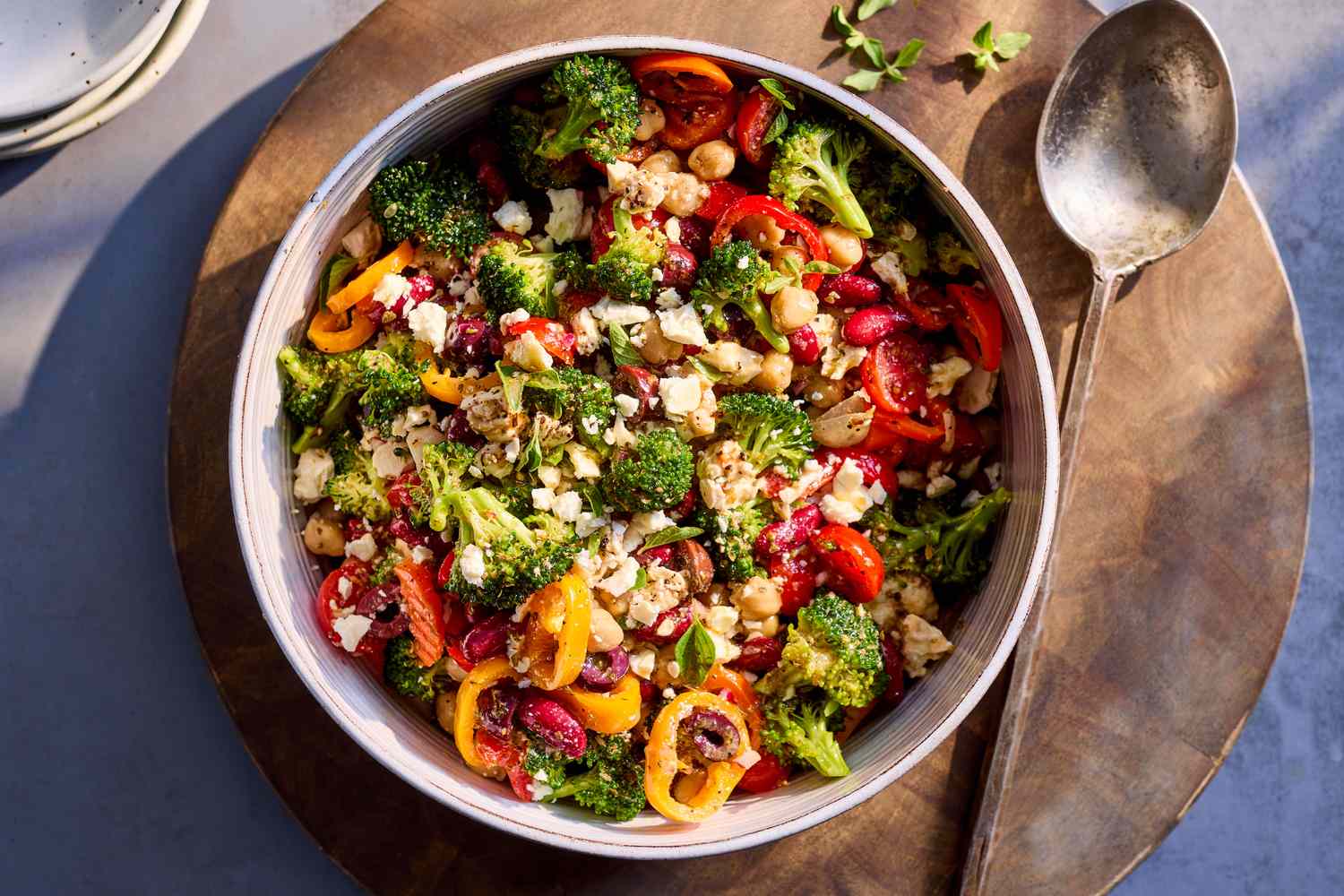
Maintaining healthy eating habits can feel challenging when schedules become busy and daily responsibilities compete for attention. Many people start the week with good intentions but find themselves relying on convenience foods or takeout meals when time is limited. Fortunately, healthy eating does not require complicated routines or hours spent in the kitchen. By developing a few stress-free meal preparation habits, it becomes much easier to enjoy balanced meals throughout the week while reducing decision fatigue and saving valuable time.
Meal preparation is not about perfection. Instead, it is about creating a simple system that helps make healthy choices more accessible. When nutritious foods are ready to eat or easy to assemble, maintaining healthy eating habits becomes a natural part of everyday life.
One of the most effective habits is setting aside a small amount of time each week for planning meals. A basic meal plan provides structure without feeling restrictive. Rather than deciding what to eat multiple times every day, planning meals in advance reduces uncertainty and helps streamline grocery shopping.
A simple approach is to select a few breakfast, lunch, dinner, and snack options that can be rotated throughout the week. There is no need to create a different menu for every meal. Repeating favorite recipes can simplify preparation while ensuring that healthy ingredients are consistently available.
Creating a grocery list based on the meal plan is another valuable habit. Shopping with a list helps focus attention on needed items and reduces impulse purchases. It also makes grocery trips more efficient and minimizes the likelihood of forgetting important ingredients.
Another stress-free strategy is preparing ingredients rather than complete meals. Some people assume meal prep requires cooking every meal in advance, but that is not always necessary. Washing vegetables, chopping produce, cooking grains, and preparing proteins ahead of time can significantly reduce cooking time during busy weekdays.
For example, having containers of washed salad greens, sliced vegetables, cooked rice, or grilled chicken in the refrigerator allows meals to come together quickly. These prepared ingredients can be mixed and matched to create a variety of dishes without requiring extensive daily cooking.
Batch cooking is another helpful habit that supports healthy eating. Preparing larger portions of certain foods can save time and energy throughout the week. Soups, stews, roasted vegetables, whole grains, and lean protein sources often store well and can be used in multiple meals.
A large batch of cooked vegetables can become a side dish one day, an addition to a grain bowl the next day, and part of a wrap or sandwich later in the week. This flexibility reduces food waste while making healthy meal choices more convenient.
Organizing the kitchen can also make meal preparation feel less overwhelming. A tidy and well-stocked kitchen creates an environment that supports healthy habits. Keeping frequently used ingredients visible and accessible encourages home cooking and simplifies meal assembly.
Clear food storage containers can be especially useful because they allow ingredients and prepared foods to be easily identified. When healthy options are visible, they are often more likely to be chosen. Proper labeling can further reduce confusion and help track freshness.
Healthy snacking is another area where preparation can make a significant difference. Busy days often lead to reaching for whatever food is most convenient. Preparing nutritious snacks in advance can help maintain energy levels and support balanced eating patterns.
Fresh fruit, cut vegetables, yogurt, nuts, seeds, and whole-grain snacks can be portioned ahead of time and stored in convenient containers. Having ready-to-eat options available makes it easier to satisfy hunger without relying on less nutritious alternatives.
Flexibility is an important but often overlooked aspect of successful meal preparation. Unexpected schedule changes can occur at any time, and rigid plans may create unnecessary stress. Building flexibility into a meal-prep routine helps maintain consistency without feeling pressured.
Keeping a few simple ingredients on hand for quick meals can be helpful when plans change. Frozen vegetables, canned beans, whole grains, and easy-to-prepare protein sources can provide the foundation for nutritious meals with minimal effort. These pantry and freezer staples serve as reliable backups when time is limited.
Another useful habit is embracing simple recipes. Healthy eating does not require elaborate cooking techniques or lengthy ingredient lists. Many nutritious meals can be prepared using a handful of ingredients and straightforward methods.
Simple meals often reduce preparation stress while making healthy eating more sustainable over time. A balanced plate that includes vegetables, protein, healthy fats, and whole grains can provide nourishment without requiring extensive planning or preparation.
Portion awareness can also contribute to a successful meal-prep routine. Preparing appropriate serving sizes in advance helps reduce overeating and makes meals more convenient during busy periods. Individual portions can be especially useful for lunches, snacks, or quick dinners after a long day.
Hydration should not be overlooked when developing healthy eating habits. Preparing beverages ahead of time can encourage consistent fluid intake throughout the week. Keeping water easily accessible and adding fresh fruit or herbs for flavor can make hydration more appealing for some individuals.
Consistency is often more important than perfection when it comes to meal preparation. Even small efforts can lead to meaningful improvements over time. Preparing just a few ingredients, planning a handful of meals, or organizing the refrigerator can create momentum that supports healthier choices.
It is also important to recognize that meal preparation should fit individual lifestyles. What works for one person may not work for another. Some people prefer preparing meals for several days at once, while others find success with shorter preparation sessions throughout the week. The most effective system is one that feels manageable and sustainable.
Over time, stress-free meal preparation habits can help reduce daily decision-making, support balanced nutrition, and create a more enjoyable relationship with food. By focusing on simple planning, ingredient preparation, kitchen organization, and flexibility, healthy eating becomes easier to maintain even during busy weeks.
The goal is not to achieve a perfect meal plan every day. Instead, it is to create practical routines that make nutritious choices more accessible. With a few thoughtful habits in place, healthy eating can become a convenient and rewarding part of everyday life, helping individuals feel prepared, confident, and supported throughout the week.