Modern family life often feels like a balancing act. Between work responsibilities, school activities, household chores, and personal commitments, finding time to prepare nutritious meals can seem challenging. For many middle-aged parents, the goal is not only to feed the family but also to encourage healthy eating habits while keeping meal preparation practical and stress-free.
Meal planning offers a simple solution. With a little organization and creativity, families can enjoy balanced meals throughout the week without spending hours in the kitchen each day. By creating a plan that fits individual schedules and preferences, families can save time, reduce food waste, and make healthier choices more consistently.
One of the most effective ways to begin meal planning is by setting aside a dedicated time each week to organize upcoming meals. Many families find that planning on weekends works well because it allows enough time to review schedules, check pantry supplies, and prepare a shopping list. Looking at the week ahead helps identify busy evenings when quick meals may be necessary and less hectic days when more elaborate cooking is possible.
A simple meal planning strategy starts with selecting a variety of proteins, vegetables, fruits, whole grains, and healthy snacks. Including different ingredients throughout the week helps maintain interest while supporting balanced nutrition. Families can also rotate favorite recipes to reduce decision fatigue and simplify shopping.
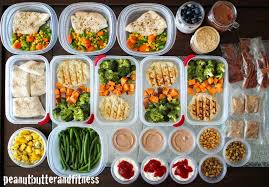
Batch cooking is another valuable technique for busy households. Preparing larger portions of certain foods can significantly reduce cooking time during the week. Grilled chicken, roasted vegetables, brown rice, and cooked beans can be prepared in advance and stored in the refrigerator for use in multiple meals. These ingredients can easily be transformed into salads, wraps, grain bowls, soups, or stir-fries with minimal effort.
Breakfast is often the most rushed meal of the day, yet it plays an important role in supporting energy levels and concentration. Convenient breakfast options can include overnight oats, yogurt with fruit, whole-grain toast with nut butter, or egg-based muffins prepared ahead of time. These choices can be made quickly while still providing a satisfying start to the day.
Lunch planning can also reduce daily stress. Packing lunches the night before often saves valuable time during busy mornings. Whole-grain sandwiches, vegetable wraps, salads with lean protein, and homemade pasta salads are practical options that can be customized according to family preferences. Adding fresh fruit and simple snacks helps create a balanced meal without requiring extensive preparation.
Dinner tends to be the meal that brings families together, making it an ideal opportunity to focus on both nutrition and connection. One-pan meals are especially useful for households seeking convenience. Sheet-pan dinners featuring lean protein and vegetables require minimal cleanup while offering flexibility with ingredients. Slow cookers and pressure cookers can also simplify meal preparation by allowing ingredients to cook while family members focus on other responsibilities.
Creating theme nights can make meal planning more enjoyable. For example, families may choose a pasta night, taco night, soup night, or stir-fry night each week. Having a general framework reduces the need to make daily decisions while still allowing variety within each theme. Children may also enjoy participating in the selection process, which can increase their interest in trying different foods.
Healthy snacking is another important consideration for active families. Keeping nutritious options readily available can help reduce reliance on highly processed convenience foods. Fresh fruit, cut vegetables, yogurt, nuts, seeds, and whole-grain crackers are simple choices that require little preparation. Preparing snack portions in advance can make them even more convenient during busy afternoons.
Grocery shopping becomes more efficient when guided by a detailed meal plan. A well-organized shopping list helps prevent unnecessary purchases and ensures that essential ingredients are available when needed. Some families find that organizing the list by grocery store sections improves efficiency and reduces shopping time.
Freezer-friendly meals provide additional flexibility for unpredictable schedules. Soups, stews, casseroles, and cooked grains can often be frozen in individual portions and reheated when time is limited. Having a few ready-made meals available can be especially helpful during particularly busy weeks or unexpected schedule changes.
Technology can also support successful meal planning. Various apps and digital tools help families organize recipes, generate shopping lists, and schedule meals. Digital planning systems may simplify the process for those who prefer managing information on their phones or computers. However, a simple notebook or printed calendar can be equally effective for families who prefer traditional methods.
Portion awareness plays a role in creating balanced meals. Filling plates with a variety of colorful vegetables, lean proteins, and whole grains can support healthy eating habits without requiring complicated rules. Encouraging family members to listen to their hunger and fullness cues may also contribute to a positive relationship with food.
Involving children and teenagers in meal preparation can provide valuable learning experiences. Age-appropriate tasks such as washing produce, measuring ingredients, setting the table, or helping with simple cooking steps encourage responsibility and build confidence. Family participation can also make meal preparation feel less like a chore and more like a shared activity.
Flexibility remains one of the most important aspects of successful meal planning. Unexpected events, schedule changes, and shifting preferences are a normal part of family life. A meal plan should serve as a helpful guide rather than a strict set of rules. Allowing room for adjustments helps reduce stress and makes the process more sustainable over time.
Healthy meal planning does not require perfection. Small, consistent efforts often produce meaningful results. Even planning a few meals in advance can make daily routines smoother and support better food choices. By focusing on practical strategies that fit their lifestyle, middle-aged families can enjoy nutritious meals while maintaining the flexibility needed to manage busy schedules.
Ultimately, meal planning is about creating a system that works for the entire household. Whether through batch cooking, freezer meals, theme nights, or simple weekly preparation, families can find approaches that save time and encourage healthier eating habits. With thoughtful planning and realistic expectations, nutritious and convenient meals can become an achievable part of everyday family life.