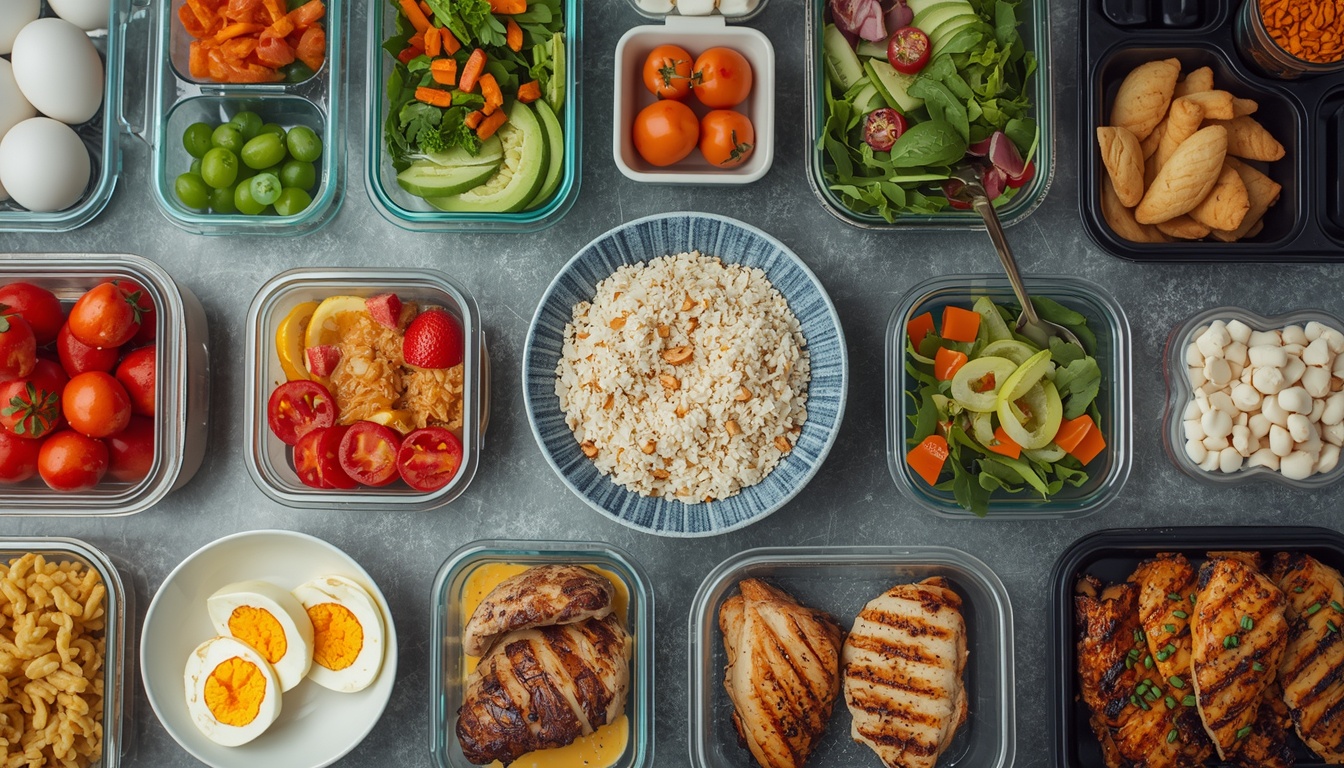
Maintaining a healthy lifestyle becomes increasingly important during middle age. Busy schedules, family responsibilities, and changing nutritional needs can make it challenging to prepare balanced meals every day. Fortunately, meal preparation offers a practical solution that saves time, reduces stress, and supports healthier eating habits. By using simple planning methods and easy recipes, middle-aged adults can enjoy nutritious meals throughout the week without spending hours in the kitchen.
Meal prep involves preparing ingredients or entire meals in advance. This approach helps reduce daily cooking demands and makes it easier to make healthier food choices. Instead of relying on convenience foods or last-minute takeout, individuals can have ready-to-eat meals available whenever needed.
One of the first steps in successful meal preparation is creating a weekly meal plan. A simple plan can prevent unnecessary grocery purchases and help ensure a variety of foods are included in the diet. Start by selecting a few breakfast, lunch, dinner, and snack options for the week. Focus on meals that use similar ingredients to reduce waste and simplify shopping.
For example, grilled chicken can be used in salads, wraps, and rice bowls throughout the week. Vegetables such as broccoli, carrots, and bell peppers can be roasted in large batches and served alongside different main dishes. Planning meals around versatile ingredients allows for variety while keeping preparation manageable.
A well-organized grocery list is another important part of meal prep success. After deciding on meals, write down all required ingredients before shopping. Sticking to a list helps control spending and reduces impulse purchases. Many people find it helpful to organize their lists by grocery store sections, such as produce, dairy, proteins, and pantry items.
Batch cooking is a highly effective method for middle-aged adults with busy schedules. This technique involves preparing large quantities of food at one time and storing portions for future meals. Soups, stews, casseroles, and grain-based dishes are excellent choices for batch cooking because they store well and often taste even better after a day or two.
One easy recipe is a vegetable and chicken soup. Begin by sautéing onions, carrots, and celery in a large pot. Add diced chicken breast, low-sodium broth, and a variety of vegetables such as green beans and spinach. Simmer until the chicken is fully cooked and the vegetables are tender. Divide the soup into containers and refrigerate or freeze portions for later use.
Another simple option is a quinoa and vegetable bowl. Cook a large batch of quinoa according to package instructions. Roast vegetables such as zucchini, bell peppers, and sweet potatoes in the oven with a small amount of olive oil and herbs. Combine the quinoa and vegetables in meal containers and add a protein source such as grilled chicken, beans, or baked fish. These bowls provide a balanced combination of protein, fiber, and complex carbohydrates.
Breakfast can also be prepared ahead of time. Overnight oats are a popular and nutritious choice. Mix rolled oats with low-fat milk or a dairy-free alternative, then add fresh fruit and a sprinkle of nuts or seeds. Store individual portions in containers and refrigerate overnight. This quick breakfast is ready to eat in the morning and provides lasting energy for the day.
For those who prefer a savory breakfast, egg muffins are another excellent option. Whisk eggs with chopped vegetables such as spinach, tomatoes, and mushrooms. Pour the mixture into a muffin tin and bake until firm. These portable breakfast portions can be refrigerated and reheated as needed.
Healthy snacks are equally important when planning meals. Preparing snacks in advance helps prevent unhealthy choices during busy moments. Fresh fruit, sliced vegetables with hummus, yogurt, and small portions of mixed nuts can be portioned into containers at the beginning of the week. Having these options readily available makes healthy eating more convenient.
Time management plays a significant role in meal preparation success. Many people choose one day each week for meal prep activities. Spending just a few hours cooking and organizing meals can save considerable time during the following days. Washing produce, chopping vegetables, cooking grains, and preparing proteins in advance can significantly reduce weekday kitchen tasks.
Storage techniques are also important for maintaining food quality and safety. Use airtight containers to keep prepared foods fresh. Labeling containers with preparation dates can help track freshness and reduce food waste. Refrigerated meals should generally be consumed within several days, while frozen meals can often be stored for longer periods.
Middle-aged adults may benefit from paying special attention to nutritional balance. Protein supports muscle maintenance, fiber promotes digestive health, and healthy fats contribute to overall wellness. Including a variety of colorful fruits and vegetables provides important vitamins and minerals. Choosing whole grains over refined grains can further support long-term health goals.
Flexibility is another key aspect of sustainable meal planning. A meal prep routine should fit individual lifestyles rather than feel restrictive. Some people prefer preparing complete meals, while others simply prepare ingredients that can be combined quickly throughout the week. Experimenting with different methods can help identify the most effective approach.
Meal preparation can also become an enjoyable family activity. Family members can assist with shopping, washing produce, or assembling meal containers. Sharing responsibilities not only saves time but also encourages healthier eating habits for everyone involved.
In addition to supporting nutrition, meal prep can reduce food waste and help manage household expenses. Planning meals before shopping allows individuals to purchase only what they need. Using leftovers creatively in future meals can further maximize ingredients and minimize waste.
Ultimately, successful meal preparation does not require advanced cooking skills or expensive ingredients. Small, consistent efforts can lead to significant improvements in daily eating habits. By planning ahead, preparing simple recipes, and organizing meals efficiently, middle-aged adults can enjoy nutritious, convenient, and satisfying food throughout the week.
Developing a meal prep routine takes practice, but the rewards are well worth the effort. Improved convenience, better nutrition, and reduced stress are just a few of the benefits that make meal planning a valuable tool for maintaining a healthy and balanced lifestyle during middle age.
Maintaining a healthy lifestyle becomes increasingly important during middle age. Busy schedules, family responsibilities, and changing nutritional needs can make it challenging to prepare balanced meals every day. Fortunately, meal preparation offers a practical solution that saves time, reduces stress, and supports healthier eating habits. By using simple planning methods and easy recipes, middle-aged adults can enjoy nutritious meals throughout the week without spending hours in the kitchen.
Meal prep involves preparing ingredients or entire meals in advance. This approach helps reduce daily cooking demands and makes it easier to make healthier food choices. Instead of relying on convenience foods or last-minute takeout, individuals can have ready-to-eat meals available whenever needed.
One of the first steps in successful meal preparation is creating a weekly meal plan. A simple plan can prevent unnecessary grocery purchases and help ensure a variety of foods are included in the diet. Start by selecting a few breakfast, lunch, dinner, and snack options for the week. Focus on meals that use similar ingredients to reduce waste and simplify shopping.
For example, grilled chicken can be used in salads, wraps, and rice bowls throughout the week. Vegetables such as broccoli, carrots, and bell peppers can be roasted in large batches and served alongside different main dishes. Planning meals around versatile ingredients allows for variety while keeping preparation manageable.
A well-organized grocery list is another important part of meal prep success. After deciding on meals, write down all required ingredients before shopping. Sticking to a list helps control spending and reduces impulse purchases. Many people find it helpful to organize their lists by grocery store sections, such as produce, dairy, proteins, and pantry items.
Batch cooking is a highly effective method for middle-aged adults with busy schedules. This technique involves preparing large quantities of food at one time and storing portions for future meals. Soups, stews, casseroles, and grain-based dishes are excellent choices for batch cooking because they store well and often taste even better after a day or two.
One easy recipe is a vegetable and chicken soup. Begin by sautéing onions, carrots, and celery in a large pot. Add diced chicken breast, low-sodium broth, and a variety of vegetables such as green beans and spinach. Simmer until the chicken is fully cooked and the vegetables are tender. Divide the soup into containers and refrigerate or freeze portions for later use.
Another simple option is a quinoa and vegetable bowl. Cook a large batch of quinoa according to package instructions. Roast vegetables such as zucchini, bell peppers, and sweet potatoes in the oven with a small amount of olive oil and herbs. Combine the quinoa and vegetables in meal containers and add a protein source such as grilled chicken, beans, or baked fish. These bowls provide a balanced combination of protein, fiber, and complex carbohydrates.
Breakfast can also be prepared ahead of time. Overnight oats are a popular and nutritious choice. Mix rolled oats with low-fat milk or a dairy-free alternative, then add fresh fruit and a sprinkle of nuts or seeds. Store individual portions in containers and refrigerate overnight. This quick breakfast is ready to eat in the morning and provides lasting energy for the day.
For those who prefer a savory breakfast, egg muffins are another excellent option. Whisk eggs with chopped vegetables such as spinach, tomatoes, and mushrooms. Pour the mixture into a muffin tin and bake until firm. These portable breakfast portions can be refrigerated and reheated as needed.
Healthy snacks are equally important when planning meals. Preparing snacks in advance helps prevent unhealthy choices during busy moments. Fresh fruit, sliced vegetables with hummus, yogurt, and small portions of mixed nuts can be portioned into containers at the beginning of the week. Having these options readily available makes healthy eating more convenient.
Time management plays a significant role in meal preparation success. Many people choose one day each week for meal prep activities. Spending just a few hours cooking and organizing meals can save considerable time during the following days. Washing produce, chopping vegetables, cooking grains, and preparing proteins in advance can significantly reduce weekday kitchen tasks.
Storage techniques are also important for maintaining food quality and safety. Use airtight containers to keep prepared foods fresh. Labeling containers with preparation dates can help track freshness and reduce food waste. Refrigerated meals should generally be consumed within several days, while frozen meals can often be stored for longer periods.
Middle-aged adults may benefit from paying special attention to nutritional balance. Protein supports muscle maintenance, fiber promotes digestive health, and healthy fats contribute to overall wellness. Including a variety of colorful fruits and vegetables provides important vitamins and minerals. Choosing whole grains over refined grains can further support long-term health goals.
Flexibility is another key aspect of sustainable meal planning. A meal prep routine should fit individual lifestyles rather than feel restrictive. Some people prefer preparing complete meals, while others simply prepare ingredients that can be combined quickly throughout the week. Experimenting with different methods can help identify the most effective approach.
Meal preparation can also become an enjoyable family activity. Family members can assist with shopping, washing produce, or assembling meal containers. Sharing responsibilities not only saves time but also encourages healthier eating habits for everyone involved.
In addition to supporting nutrition, meal prep can reduce food waste and help manage household expenses. Planning meals before shopping allows individuals to purchase only what they need. Using leftovers creatively in future meals can further maximize ingredients and minimize waste.
Ultimately, successful meal preparation does not require advanced cooking skills or expensive ingredients. Small, consistent efforts can lead to significant improvements in daily eating habits. By planning ahead, preparing simple recipes, and organizing meals efficiently, middle-aged adults can enjoy nutritious, convenient, and satisfying food throughout the week.
Developing a meal prep routine takes practice, but the rewards are well worth the effort. Improved convenience, better nutrition, and reduced stress are just a few of the benefits that make meal planning a valuable tool for maintaining a healthy and balanced lifestyle during middle age.