Modern life often feels like a constant race against the clock. For many middle-aged adults, balancing work responsibilities, family commitments, social activities, and personal wellness can leave little time for cooking. Despite these challenges, maintaining a healthy diet remains one of the most important factors for long-term well-being. The good news is that preparing nutritious meals does not have to require hours in the kitchen every day.
With a few practical strategies and simple habits, busy adults can enjoy wholesome, satisfying meals while saving both time and energy. Smart planning, efficient cooking methods, and thoughtful ingredient choices can make healthy eating much more manageable.
Understanding the Importance of Simple Nutrition
As people reach middle age, nutritional needs often become more important than ever. A balanced diet can support energy levels, help maintain a healthy weight, promote heart health, and contribute to overall wellness. However, many adults mistakenly assume that healthy cooking requires elaborate recipes or extensive preparation.
In reality, nutritious meals can be surprisingly simple. A balanced plate often includes lean proteins, vegetables, whole grains, and healthy fats. Combining these basic components in different ways can create a wide variety of meals without requiring complicated cooking techniques.
The key is to focus on consistency rather than perfection. Even small improvements in meal preparation habits can lead to meaningful benefits over time.
Plan Ahead to Reduce Daily Stress
One of the most effective ways to save time in the kitchen is meal planning. Spending just a few minutes each week deciding what to eat can eliminate the daily question of what to cook.
A simple meal plan helps reduce grocery store visits, minimizes food waste, and makes healthy choices easier. Planning breakfast, lunch, dinner, and snacks in advance allows individuals to shop more efficiently and avoid last-minute decisions that may lead to less nutritious options.
Creating a short list of favorite meals can make planning even easier. Rotating between trusted recipes helps maintain variety without adding unnecessary complexity.
Keep a Well-Stocked Kitchen
A well-stocked pantry can make nutritious cooking much faster. Having essential ingredients readily available allows meals to come together quickly, even on busy days.
Whole grains such as brown rice, oats, and whole-wheat pasta provide a nutritious foundation for many dishes. Canned beans, frozen vegetables, and low-sodium soups can serve as convenient ingredients that require little preparation. Nuts, seeds, and healthy oils can add flavor and nutritional value with minimal effort.
Keeping a selection of versatile ingredients on hand means fewer emergency takeout orders and more opportunities to prepare healthy meals at home.
Embrace Batch Cooking
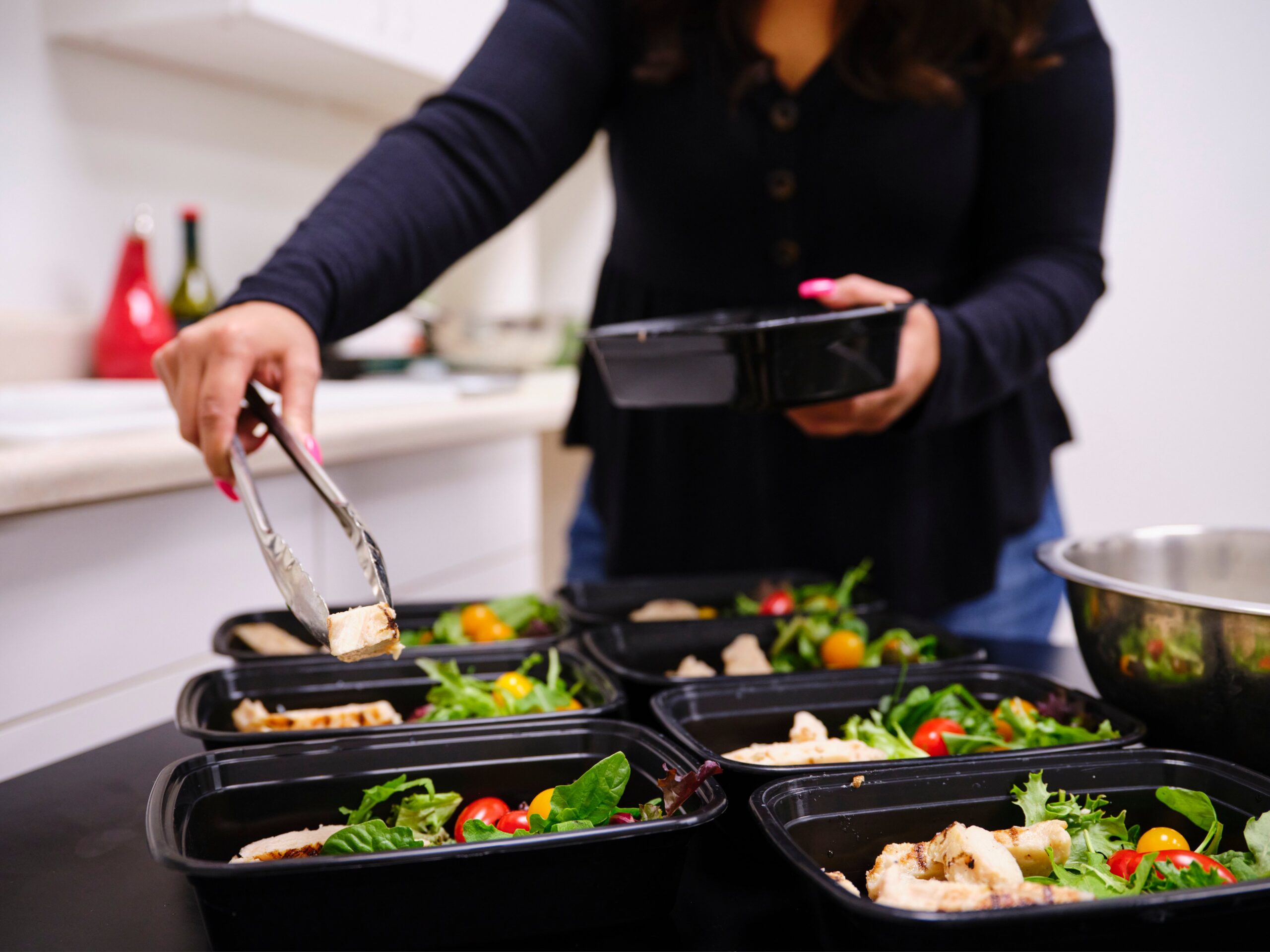
Batch cooking is one of the most valuable time-saving techniques for busy adults. Instead of cooking every meal from scratch, larger portions can be prepared once and enjoyed throughout the week.
For example, a large pot of vegetable soup, grilled chicken, roasted vegetables, or cooked grains can be divided into multiple servings. These prepared foods can then be mixed and matched to create different meals over several days.
Batch cooking reduces daily kitchen time while ensuring that nutritious options are always available. It also makes it easier to avoid highly processed convenience foods when schedules become hectic.
Use Time-Saving Kitchen Tools
Modern kitchen appliances can significantly reduce cooking time and effort. Slow cookers, pressure cookers, air fryers, and food processors can simplify meal preparation and streamline cooking routines.
A slow cooker allows ingredients to cook throughout the day with minimal supervision. Pressure cookers can prepare meals in a fraction of the time required by traditional methods. Food processors make chopping vegetables quick and efficient.
While these tools are not essential, they can be valuable investments for individuals seeking to save time while maintaining healthy eating habits.
Choose Simple Recipes
Many people become overwhelmed by recipes that require numerous ingredients and complex instructions. Fortunately, nutritious meals do not need to be complicated.
Simple recipes featuring a few high-quality ingredients are often easier to prepare and just as satisfying. A grilled protein source paired with vegetables and a whole grain can create a balanced meal in less than thirty minutes.
Stir-fries, sheet-pan dinners, salads, grain bowls, and soups are excellent examples of meals that provide nutrition without demanding extensive preparation time.
Make Smart Use of Frozen Foods
Frozen fruits and vegetables are often overlooked, but they can be excellent additions to a healthy eating routine. Because they are typically frozen soon after harvesting, they can retain much of their nutritional value.
Frozen produce offers convenience because it is already cleaned, cut, and ready to use. This can dramatically reduce meal preparation time while helping individuals increase their fruit and vegetable intake.
Adding frozen vegetables to soups, pasta dishes, and stir-fries can instantly boost nutritional content without creating extra work.
Prepare Ingredients in Advance
Ingredient preparation can often take longer than the actual cooking process. Setting aside time once or twice a week to wash produce, chop vegetables, and portion snacks can make daily meal preparation much easier.
Prepared ingredients encourage healthier choices because they are immediately accessible when hunger strikes. Having ready-to-use vegetables, cooked proteins, and portioned snacks available can help busy adults stay on track with their nutrition goals.
Even fifteen to twenty minutes of preparation can make a noticeable difference throughout the week.
Focus on Balanced Convenience
Convenience foods are not always unhealthy. Many grocery stores offer nutritious options that can support healthy eating when selected carefully.
Pre-washed salad greens, rotisserie chicken, frozen vegetables, and pre-cut fruit can save valuable time while contributing to balanced meals. The goal is to choose convenient foods that complement a healthy eating pattern rather than relying solely on highly processed products.
Balanced convenience can help bridge the gap between limited time and good nutrition.
Create Sustainable Habits
Long-term success often comes from building sustainable habits rather than following strict rules. Trying to cook elaborate meals every day may lead to frustration and burnout. Instead, focusing on practical routines that fit into a busy lifestyle can produce better results.
Simple actions such as planning meals, cooking extra portions, and keeping nutritious ingredients available can gradually become automatic habits. Over time, these small efforts can significantly improve dietary quality without creating additional stress.
Consistency matters far more than achieving perfection. Healthy eating should support a person’s lifestyle, not complicate it.
Conclusion
Busy middle-aged adults face many demands on their time, but nutritious eating does not have to be sacrificed. By embracing meal planning, batch cooking, simple recipes, and smart kitchen strategies, it is possible to prepare healthy meals efficiently and consistently.
The most effective approach is often the simplest one. Small, manageable changes can transform daily routines and make healthy eating feel achievable even during the busiest weeks. With thoughtful preparation and realistic expectations, nutritious meals can become a convenient and enjoyable part of everyday life.