Modern life often feels like a race against the clock. Between work responsibilities, family commitments, social activities, and personal goals, finding time to prepare nutritious meals can be a challenge. Many busy adults struggle to maintain healthy eating habits when schedules become crowded, leading to frequent takeout orders or skipped meals. Fortunately, practical meal prep solutions can make balanced eating both achievable and convenient.
Meal preparation is more than simply cooking food in advance. It is a strategic approach that helps individuals save time, reduce stress, manage food costs, and maintain consistent nutrition throughout the week. With a few thoughtful habits and simple planning techniques, anyone can create a meal prep routine that fits their lifestyle.
One of the biggest advantages of meal preparation is time efficiency. Instead of cooking multiple times each day, individuals can dedicate a specific period during the week to preparing ingredients or complete meals. This approach reduces daily decision-making and minimizes time spent in the kitchen during busy weekdays. When healthy options are already available, it becomes easier to make nutritious choices even on the most demanding days.
Planning meals ahead of time is an important first step. Before shopping for groceries, it helps to outline a simple menu for several days. Choosing recipes that share common ingredients can reduce waste and streamline preparation. For example, grilled chicken can be used in salads, wraps, grain bowls, and pasta dishes throughout the week. Similarly, roasted vegetables can serve as side dishes, lunch additions, or ingredients for quick dinners.
Keeping meal plans realistic is equally important. Many people start with ambitious goals only to feel overwhelmed after a few weeks. A sustainable meal prep routine should match individual schedules, cooking skills, and food preferences. Beginning with just a few prepared meals each week can build confidence and create lasting habits without adding unnecessary pressure.
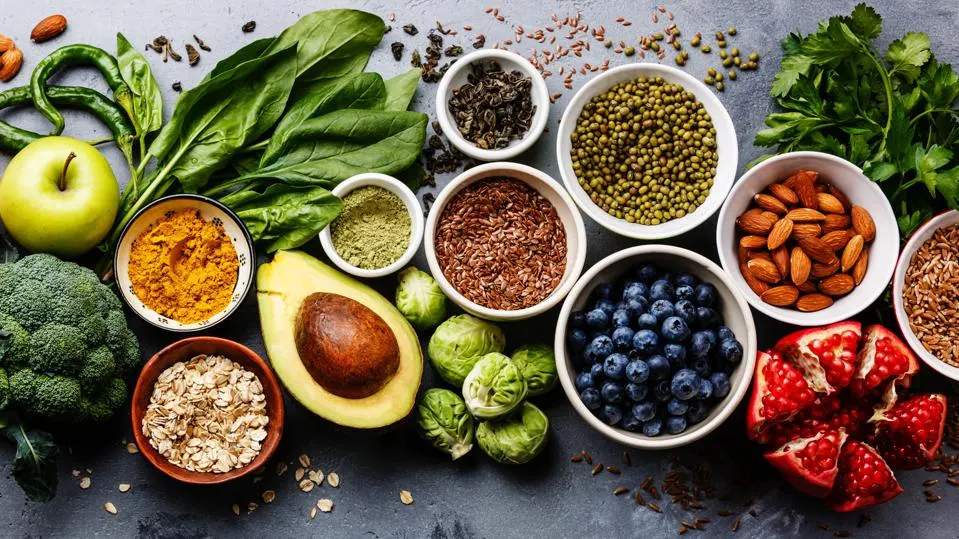
Balanced nutrition should remain a central focus during meal preparation. A well-rounded meal typically includes lean protein, complex carbohydrates, healthy fats, and a variety of fruits or vegetables. Protein sources such as chicken, fish, eggs, beans, lentils, and tofu can help support satiety and energy levels. Whole grains like brown rice, quinoa, and oats provide lasting fuel, while healthy fats from nuts, seeds, avocados, and olive oil contribute to overall wellness.
Vegetables deserve special attention in any meal prep strategy. Preparing them in advance can make healthy eating significantly more convenient. Washing, chopping, and storing vegetables immediately after grocery shopping allows them to be ready whenever needed. Colorful vegetables not only add visual appeal but also contribute a wide range of nutrients that support a balanced diet.
Batch cooking is another effective solution for busy adults. This method involves preparing larger quantities of food at one time and dividing portions into containers for future meals. Soups, stews, casseroles, grain dishes, and roasted proteins are particularly suitable for batch cooking. These meals often store well and can maintain their quality for several days when properly refrigerated.
Freezing meals can further extend convenience. Many prepared dishes can be frozen in individual portions and reheated when needed. This practice creates a personal inventory of ready-to-eat meals that can be especially useful during hectic weeks. Having nutritious options readily available reduces the temptation to rely on less balanced alternatives when time is limited.
Storage solutions play an important role in successful meal prep. Investing in durable, reusable containers can improve organization and preserve food freshness. Transparent containers make it easy to identify meals at a glance, while portion-sized containers simplify serving and transportation. Proper labeling with preparation dates can also help ensure food is consumed while at its best quality.
Breakfast often presents a challenge for busy professionals, yet it can be one of the easiest meals to prepare ahead of time. Overnight oats, yogurt parfaits, egg-based dishes, and fruit smoothies can all be prepared in advance. Starting the day with a balanced meal may help support sustained energy and productivity throughout the morning.
Lunch preparation can also deliver significant benefits. Instead of purchasing meals during work hours, individuals can bring prepared lunches that align with their nutritional goals and personal preferences. Grain bowls, salads, wraps, and pasta dishes are versatile options that travel well and can be customized with a variety of ingredients.
Dinner preparation may require a slightly different strategy. Some people prefer fully prepared dinners that only need reheating, while others choose to prep ingredients in advance and complete the final cooking process later. Marinated proteins, chopped vegetables, and pre-cooked grains can dramatically reduce evening cooking time while still allowing for freshly assembled meals.
Snacks should not be overlooked when planning weekly meals. Having healthy snacks readily available can support consistent eating patterns and reduce reliance on convenience foods. Fresh fruit, nuts, yogurt, vegetable sticks, and whole-grain crackers are simple options that require minimal preparation. Portioning snacks into individual containers can further enhance convenience and help maintain organization.
Flexibility remains an essential component of any successful meal prep system. Life is unpredictable, and schedules may change unexpectedly. Rather than aiming for perfection, it is helpful to view meal prep as a supportive tool that can adapt to evolving needs. Some weeks may involve extensive preparation, while others may require only a few simple meals. Consistency over time is often more valuable than strict adherence to a rigid plan.
Technology can also support meal planning efforts. Digital grocery lists, recipe management applications, and calendar reminders can simplify organization and reduce the mental effort associated with preparing meals. These tools help individuals stay on track while making the process more efficient and enjoyable.
Another often-overlooked benefit of meal preparation is financial savings. Planning meals in advance encourages more intentional grocery shopping and reduces impulse purchases. Using ingredients across multiple recipes can minimize food waste, while preparing meals at home is frequently more cost-effective than purchasing ready-made alternatives. Over time, these savings can become substantial.
Creating enjoyable meals is equally important for long-term success. Healthy eating should not feel restrictive or repetitive. Experimenting with herbs, spices, sauces, and cooking techniques can introduce variety and excitement into weekly meal plans. Exploring different cuisines and seasonal ingredients can also keep meal preparation interesting and satisfying.
Ultimately, practical meal prep solutions empower busy adults to take control of their nutrition without sacrificing convenience. By planning ahead, preparing ingredients strategically, and maintaining flexibility, individuals can build sustainable habits that fit their daily lives. Meal preparation does not require perfection or extensive culinary expertise. Small, consistent efforts can lead to meaningful improvements in organization, nutrition, and overall well-being. With the right approach, balanced and convenient meals can become an achievable part of even the busiest schedule.