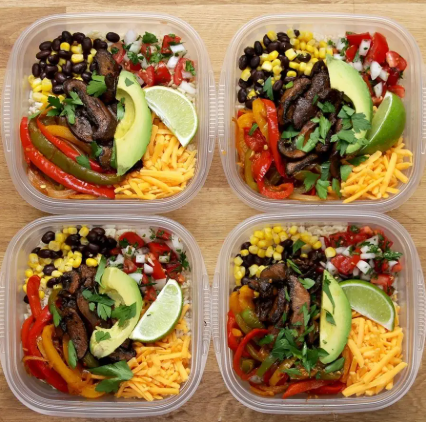
Finding time to prepare healthy meals can be challenging, especially for middle-aged adults balancing careers, family responsibilities, personal commitments, and daily errands. Many people want to eat nutritious food but struggle to fit cooking into an already busy schedule. Fortunately, meal preparation does not have to be complicated or time-consuming. With a few practical strategies and simple planning habits, it is possible to enjoy balanced meals throughout the week while saving valuable time and reducing stress.
Meal prep is the practice of preparing meals or ingredients in advance so that cooking becomes easier during busy days. It can involve preparing full meals, chopping vegetables, cooking proteins ahead of time, or organizing ingredients for quick assembly later. The goal is not perfection but convenience and consistency.
One of the biggest benefits of meal preparation is time savings. Spending an hour or two preparing food during the weekend can significantly reduce the amount of time spent cooking during the workweek. Instead of deciding what to eat every evening, individuals can simply reheat or assemble meals that are already planned and partially prepared.
Another advantage is improved nutrition. When healthy meals are readily available, people are less likely to rely on fast food, takeout, or highly processed convenience foods. Having nutritious options within easy reach makes it easier to maintain healthy eating habits and support overall well-being.
A great starting point for beginners is to focus on simple ingredients that can be used in multiple meals. For example, grilled chicken, roasted vegetables, brown rice, and boiled eggs can serve as the foundation for several different dishes throughout the week. These ingredients can be mixed and matched to create a variety of lunches and dinners without requiring extensive cooking each day.
Batch cooking is another effective strategy. This involves preparing larger quantities of food at one time and storing portions for later use. A large pot of vegetable soup, a tray of baked chicken, or a batch of whole grains can provide several meals over multiple days. Batch cooking helps reduce kitchen cleanup and minimizes daily food preparation tasks.
Breakfast is often one of the most rushed meals of the day, making advance preparation especially valuable. Overnight oats are a popular choice because they can be assembled in just a few minutes and stored in the refrigerator. Combining oats with milk, yogurt, fruit, and nuts creates a balanced meal that is ready to eat in the morning. Another simple option is preparing egg muffins filled with vegetables, which can be refrigerated and reheated quickly before heading out the door.
For lunch, grain bowls offer flexibility and convenience. A base of brown rice, quinoa, or another whole grain can be topped with vegetables, lean proteins, and a simple dressing. Preparing these components in advance allows for easy assembly and variety throughout the week. Different combinations can keep meals interesting while still relying on the same core ingredients.
Dinner preparation becomes much easier when ingredients are ready to use. Pre-chopped vegetables can save significant time during busy evenings. Roasting a large tray of vegetables such as carrots, broccoli, peppers, and zucchini provides versatile ingredients that can be added to salads, grain bowls, wraps, or side dishes. Keeping these vegetables refrigerated allows for quick meal creation with minimal effort.
Slow cookers and similar kitchen appliances can also simplify meal preparation. Adding ingredients in the morning and returning home to a fully cooked meal can eliminate much of the stress associated with dinner planning. Soups, stews, and lean protein dishes often work well with this approach, requiring little active cooking time.
Healthy snacks should not be overlooked when planning meals. Having nutritious snacks available can help prevent overeating and reduce the temptation to choose less nutritious options. Fresh fruit, yogurt, nuts, sliced vegetables, and hummus can be portioned in advance for easy access throughout the week.
Storage plays an important role in successful meal preparation. Investing in quality food containers can help keep ingredients fresh and organized. Clear containers make it easier to see available options and encourage consistent use of prepared foods. Labeling containers with preparation dates can also help maintain food quality and reduce waste.
Variety is important for long-term success. Eating the same meal every day may become boring and make healthy habits harder to maintain. Using different seasonings, sauces, and cooking methods can create variety without requiring completely different ingredients. For example, grilled chicken can be served with herbs one day, incorporated into a salad the next day, and added to a grain bowl later in the week.
Meal planning can further improve efficiency. Taking a few minutes each week to decide on upcoming meals helps streamline grocery shopping and reduces last-minute decision-making. Creating a shopping list based on planned meals can save money and minimize unnecessary purchases. Many people find that planning even three or four dinners in advance significantly reduces stress during busy weeks.
Portion control is another advantage of meal prep. Preparing meals ahead of time allows individuals to create balanced portions that align with their personal nutrition goals. This can help support healthy eating habits while making mealtime more predictable and satisfying.
It is also important to remember that meal prep does not need to be an all-or-nothing activity. Some people prefer preparing complete meals, while others simply wash vegetables, cook grains, or prepare proteins in advance. Even small steps can make a meaningful difference in reducing daily cooking demands.
For middle-aged adults managing busy schedules, consistency is often more valuable than complexity. Simple, repeatable habits are easier to maintain over time than elaborate meal plans that require significant effort. Choosing practical strategies that fit individual lifestyles increases the likelihood of long-term success.
Ultimately, meal preparation is a useful tool for saving time, reducing stress, and supporting healthier eating habits. By planning ahead, preparing ingredients in advance, and focusing on simple, nutritious foods, busy adults can enjoy convenient meals throughout the week without spending hours in the kitchen every day. Small changes implemented consistently can lead to meaningful improvements in both daily routines and overall well-being.